Barnet, EN5Flooring for Barnet homes
Chipping Barnet has been a market town since King John granted its charter in 1199, and the Great North Road made it a coaching stop, with around 150 stagecoaches a day climbing Barnet Hill at its height. The Battle of Barnet was fought just to the north, near Monken Hadley, in 1471, and the Barnet Fair horse fair, chartered in 1588, gave Londoners their slang for hair. St John the Baptist, begun around 1400, still stands at the top of the High Street where Wood Street begins.
Wood Street keeps listed cottages from the 16th to the 18th centuries, as well as Tudor Hall of 1573 and Barnet Museum. Away from the old centre the town is mostly Victorian, Edwardian and later houses, which spread after the railway reached High Barnet in 1872, especially out towards Arkley. Arkley itself grew from a few hundred people in 1901 to several thousand by 1951, so most of its homes are 20th century houses, set on one of the highest points in London.
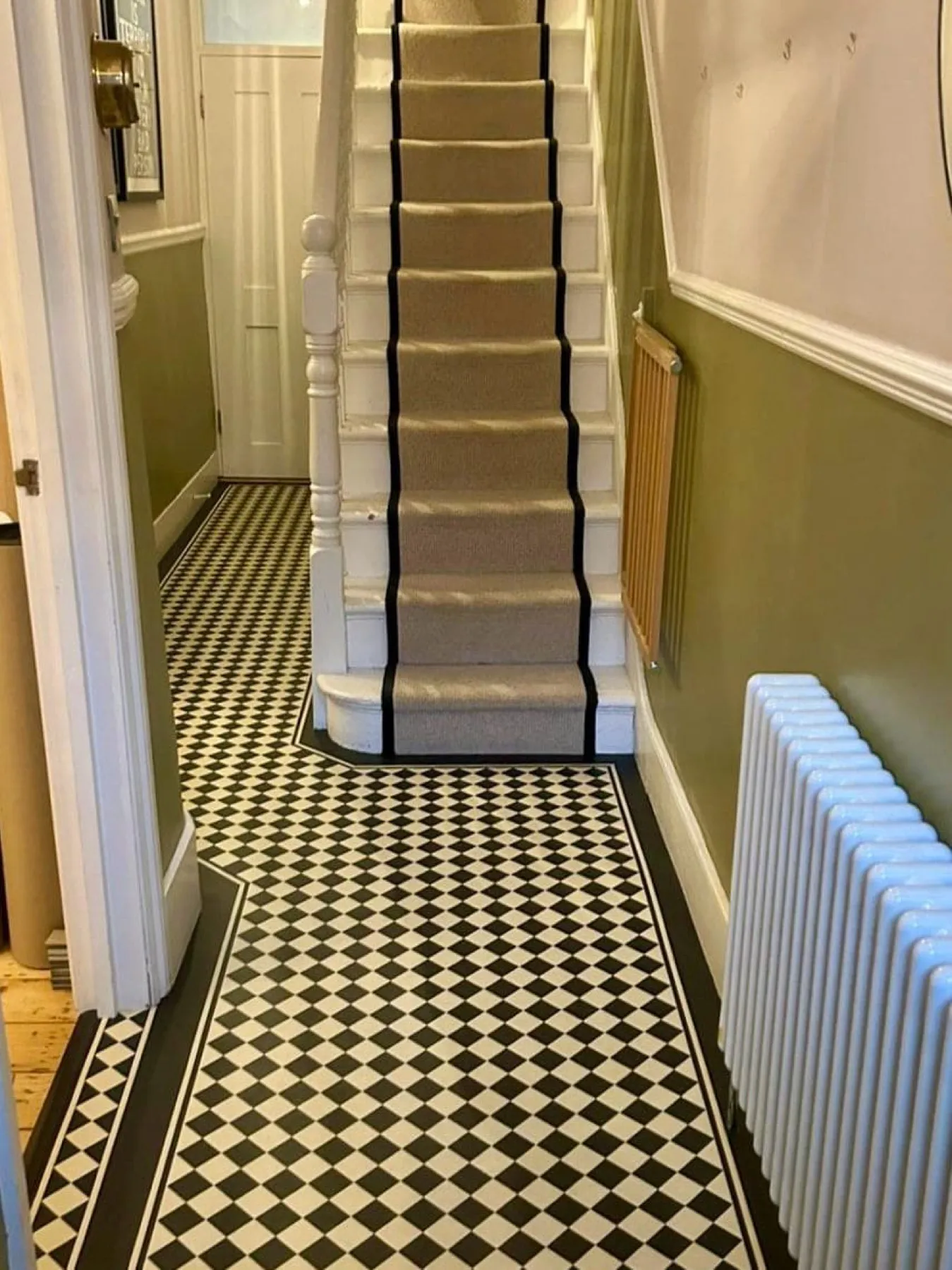
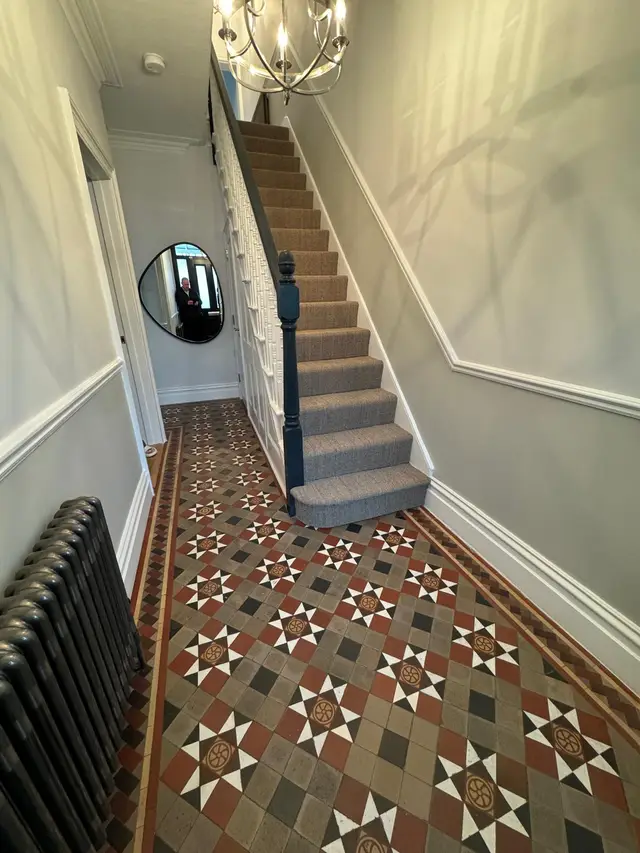
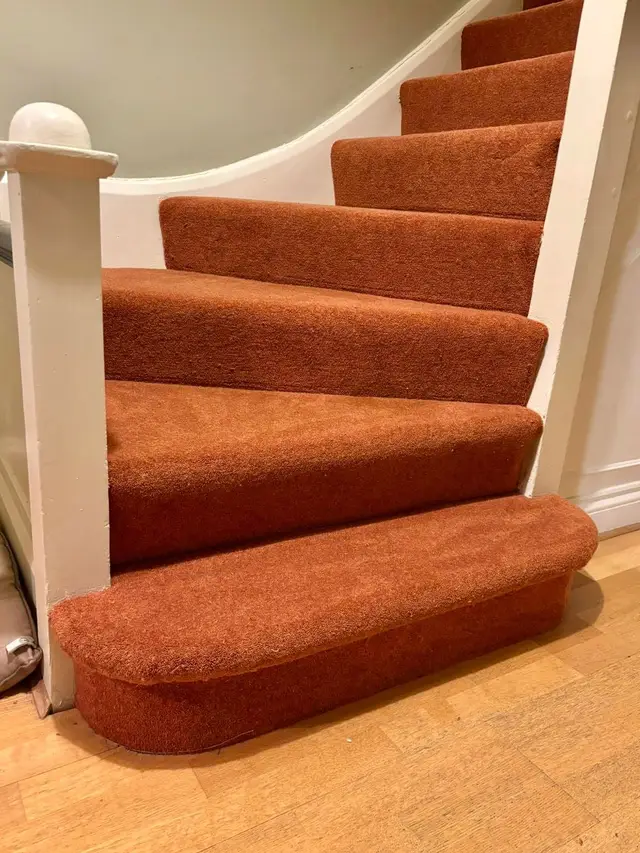
Older buildings need a careful hand. Floors in an old cottage are rarely level, so we look at preparation before talking about finishes, and if your home is listed we will ask you to check with the council before any original floor is covered or lifted. In a Victorian or Edwardian house the stairs and hall usually come first, while a larger Arkley house might want a runner, carpet through the bedrooms and a hard floor across a kitchen extension.
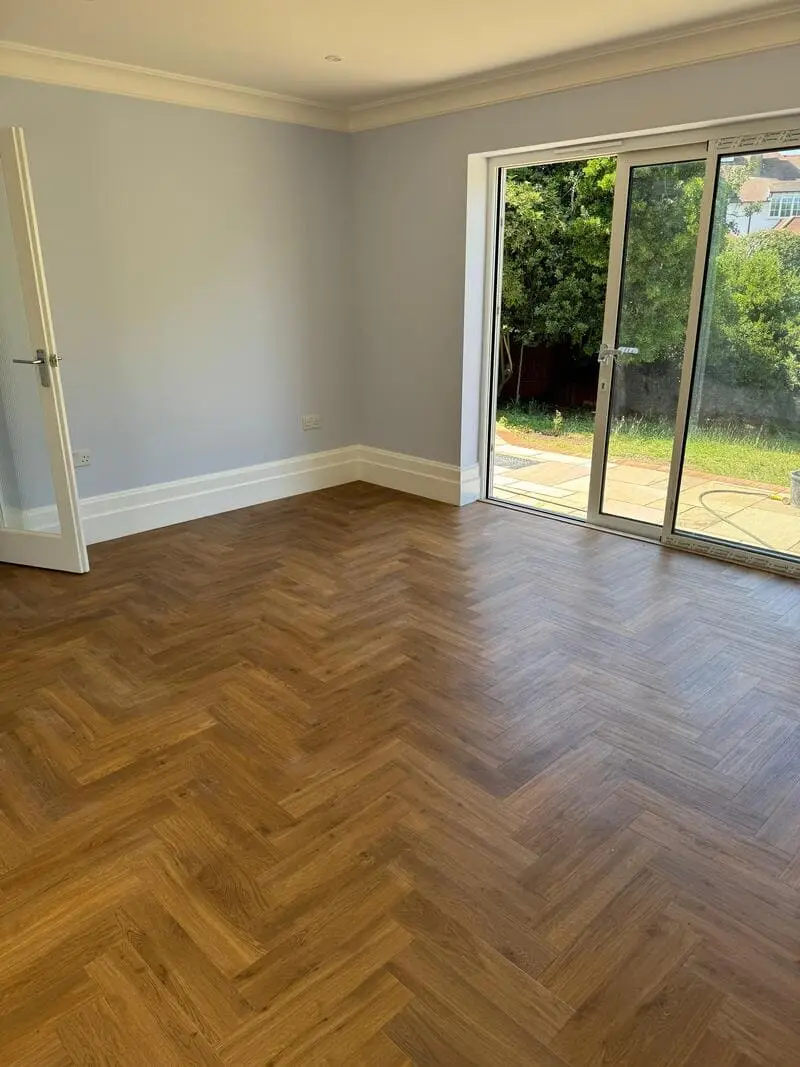
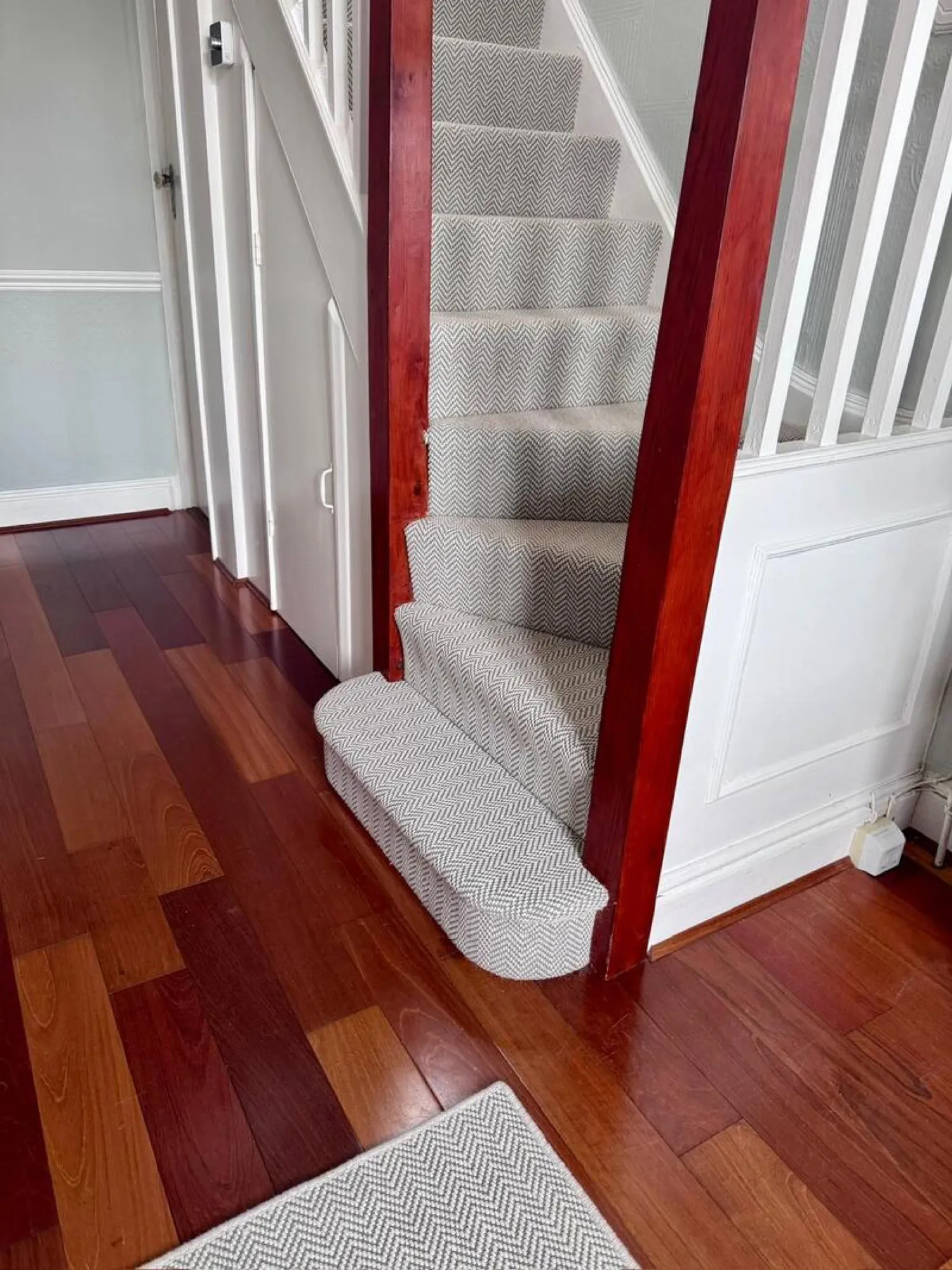
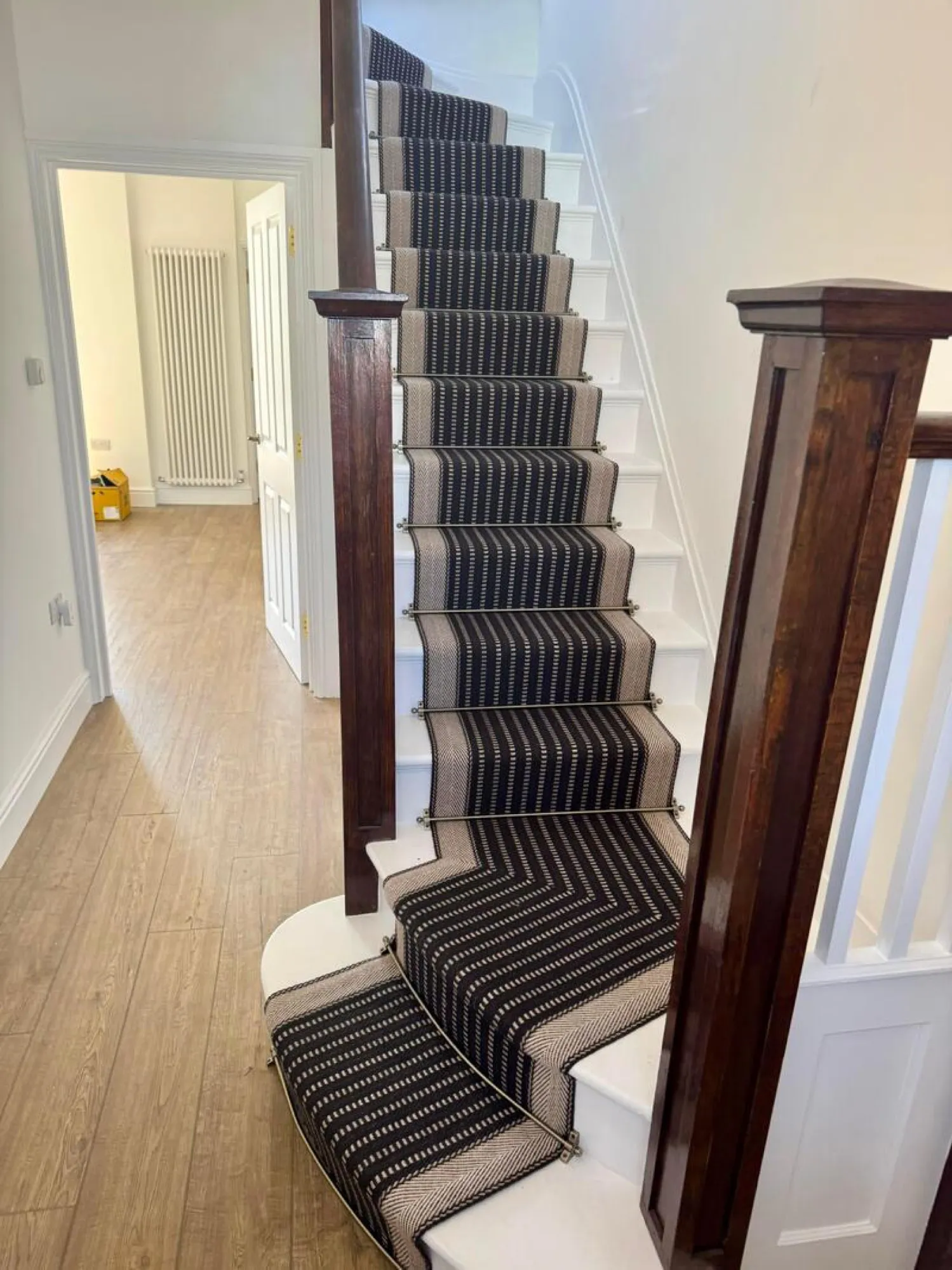
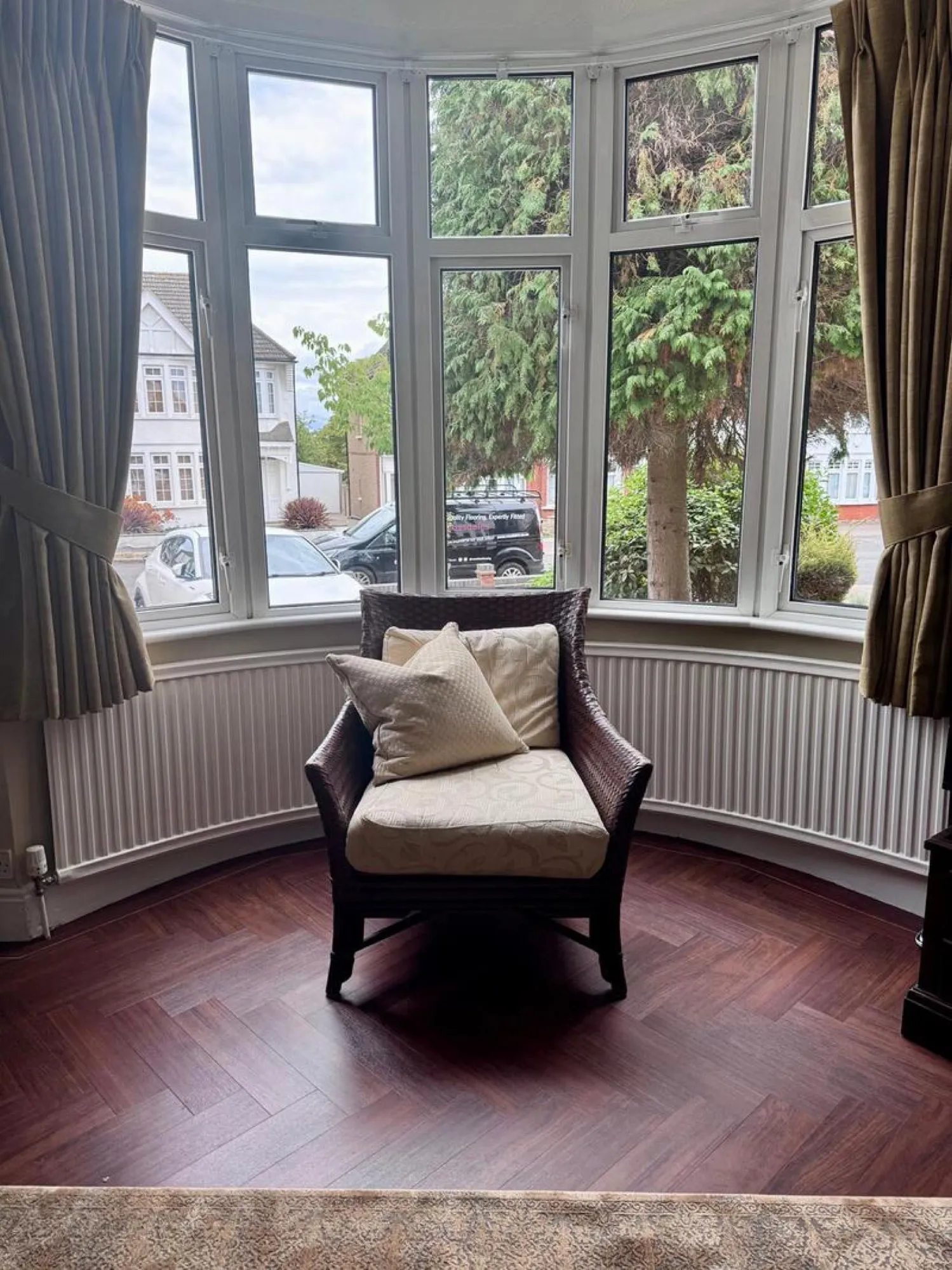
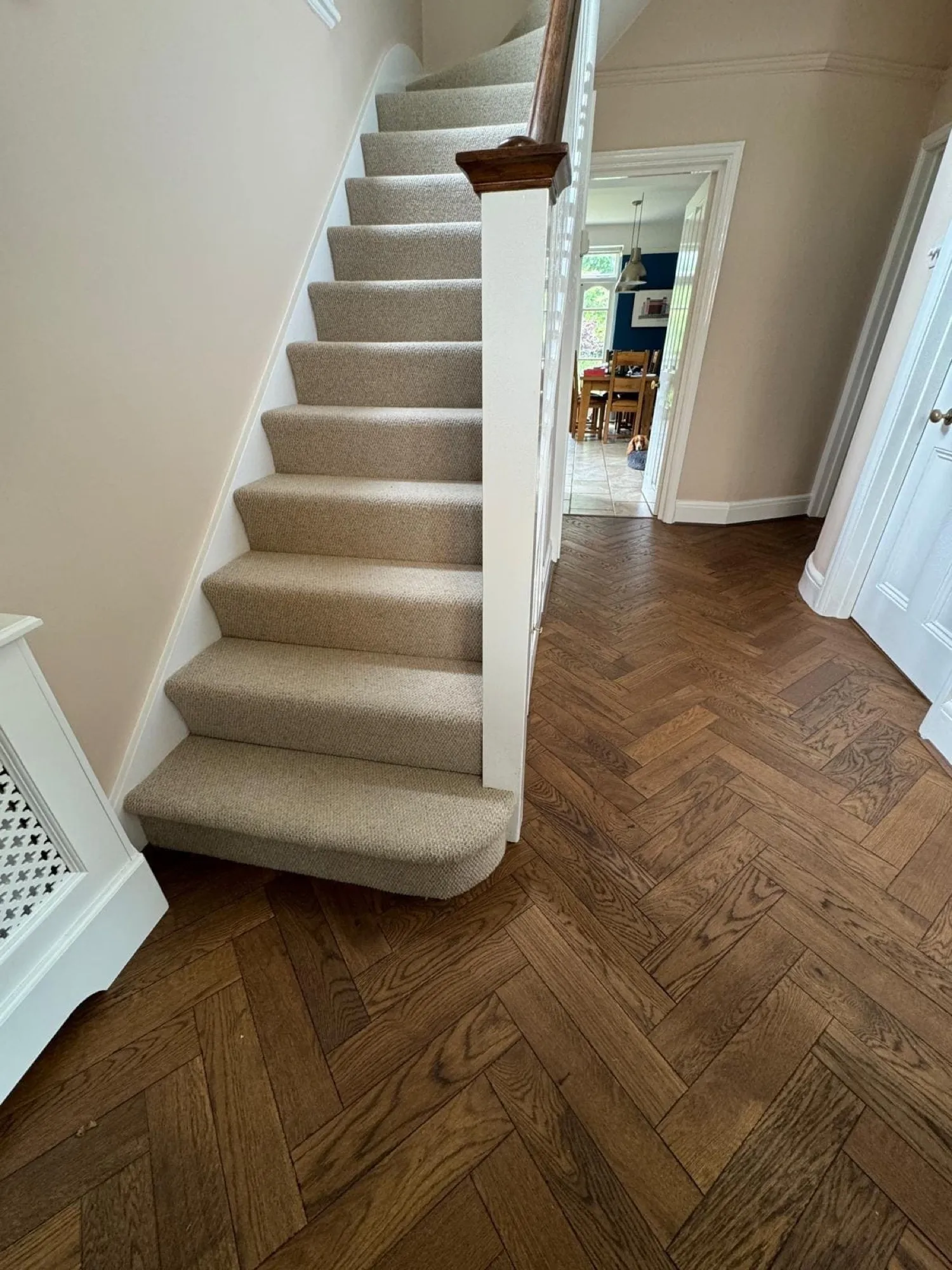
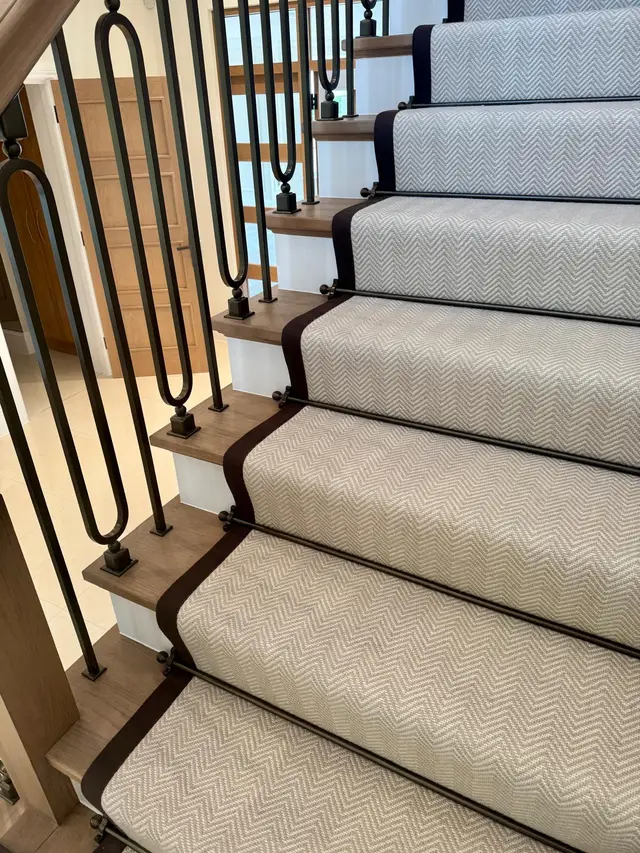
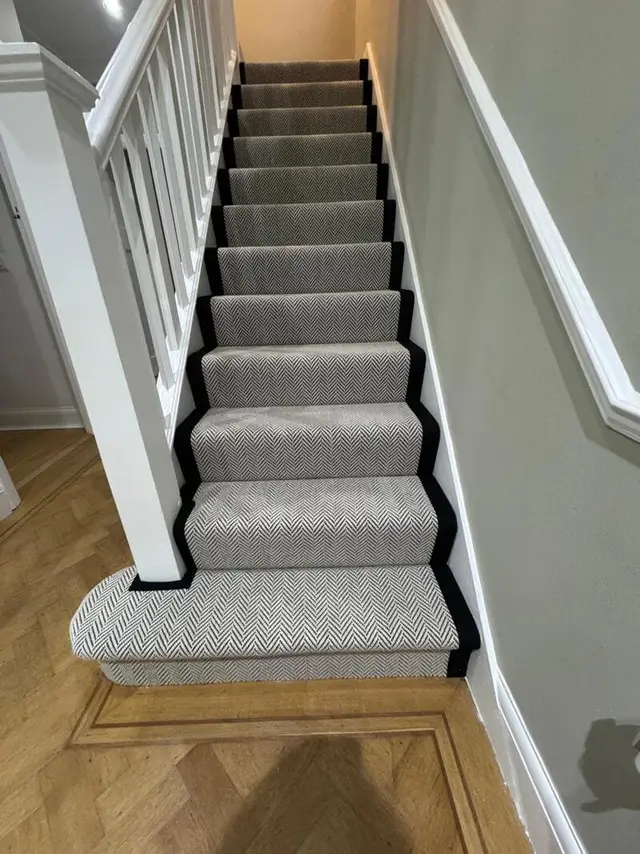
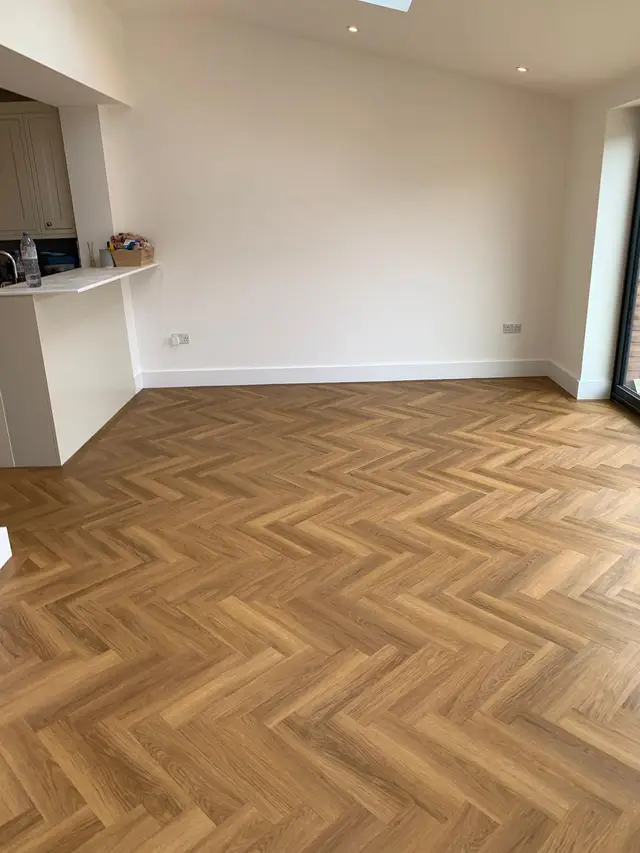
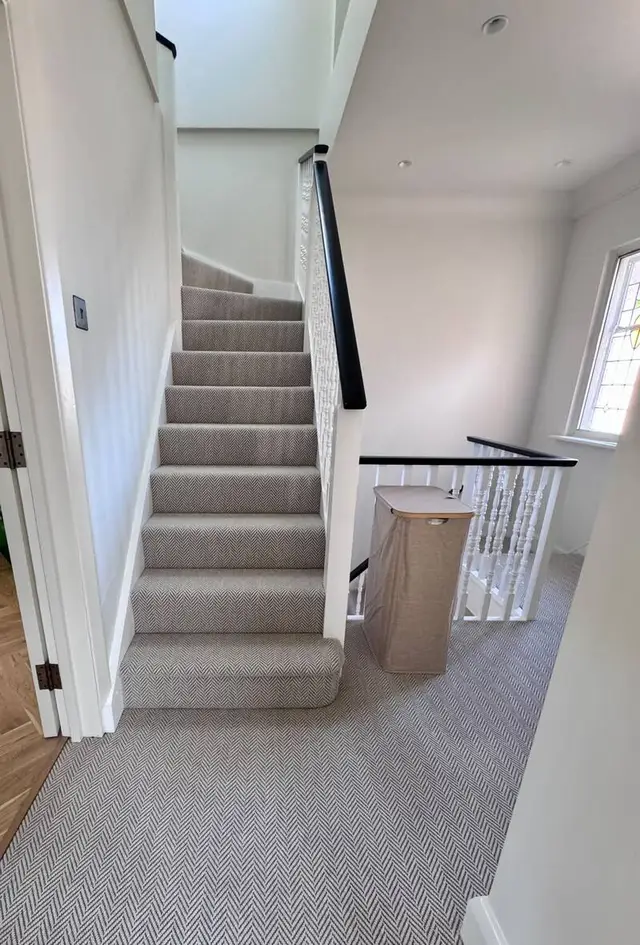
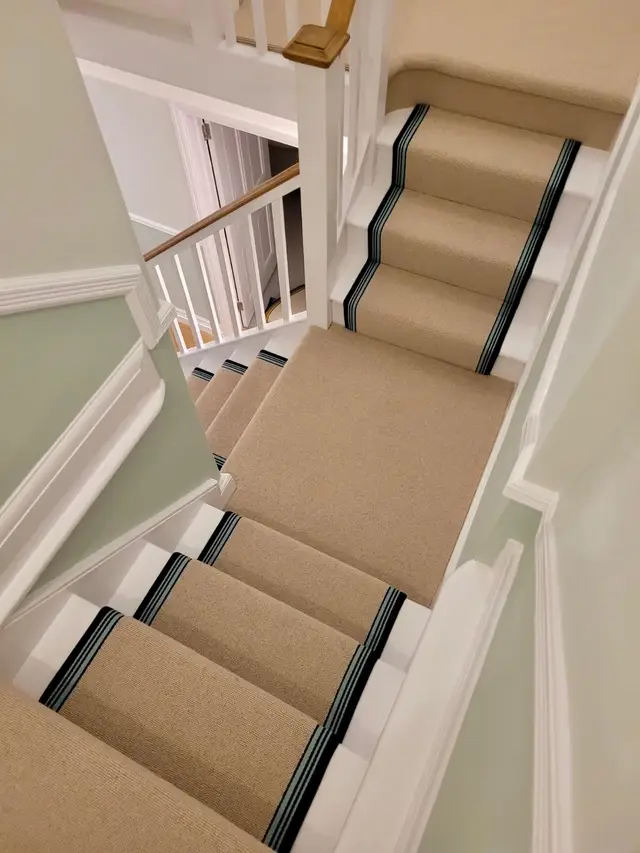
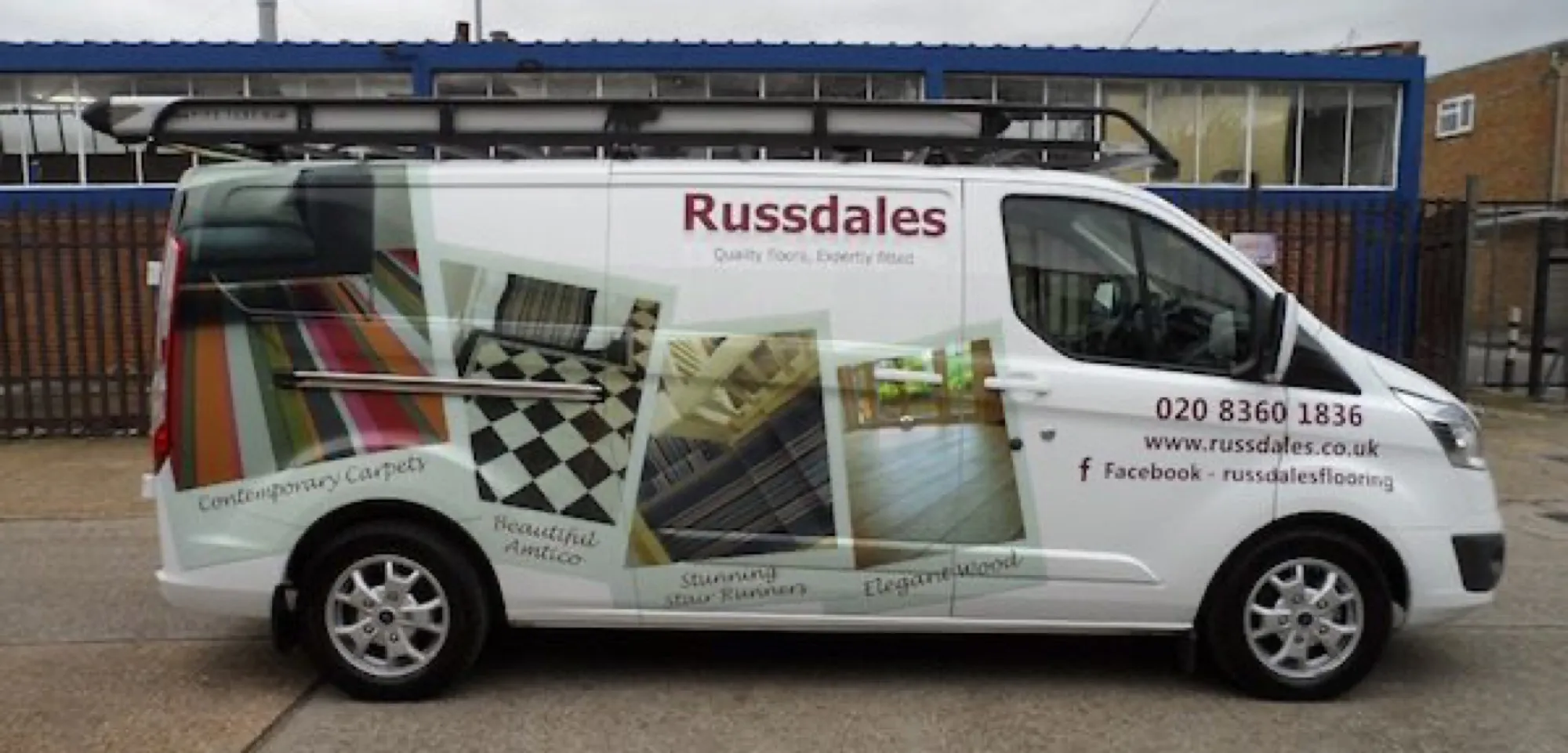
Locally, Barnet Museum, Queen Elizabeth's School, Barnet Hospital and the windmill at Arkley are all well known, as is the Northern line terminus at High Barnet. In Barnet we made a runner from Fibre Flooring Herringbone in Chalk with a Natural fabric edge and Homepride rods in antique brass (Ref 13390), and laid Amtico Spacia Traditional Oak as a large herringbone with no border, letting the pattern run to the walls (Ref 13388).