Enfield, N21Flooring for Grange Park homes
Most of Grange Park was built on the old Enfield Old Park estate by Richard Metherell, the builder who asked for Grange Park station when the line was extended to Cuffley in 1910. His first houses went up between 1907 and 1914: large Arts and Crafts detached and semi-detached homes in eight designs, set out so that no two neighbouring pairs match. Building carried on between the wars in the middle of The Chine and Old Park Ridings and west of the railway. The housing along The Chine, Old Park Ridings and The Grangeway is now a conservation area.
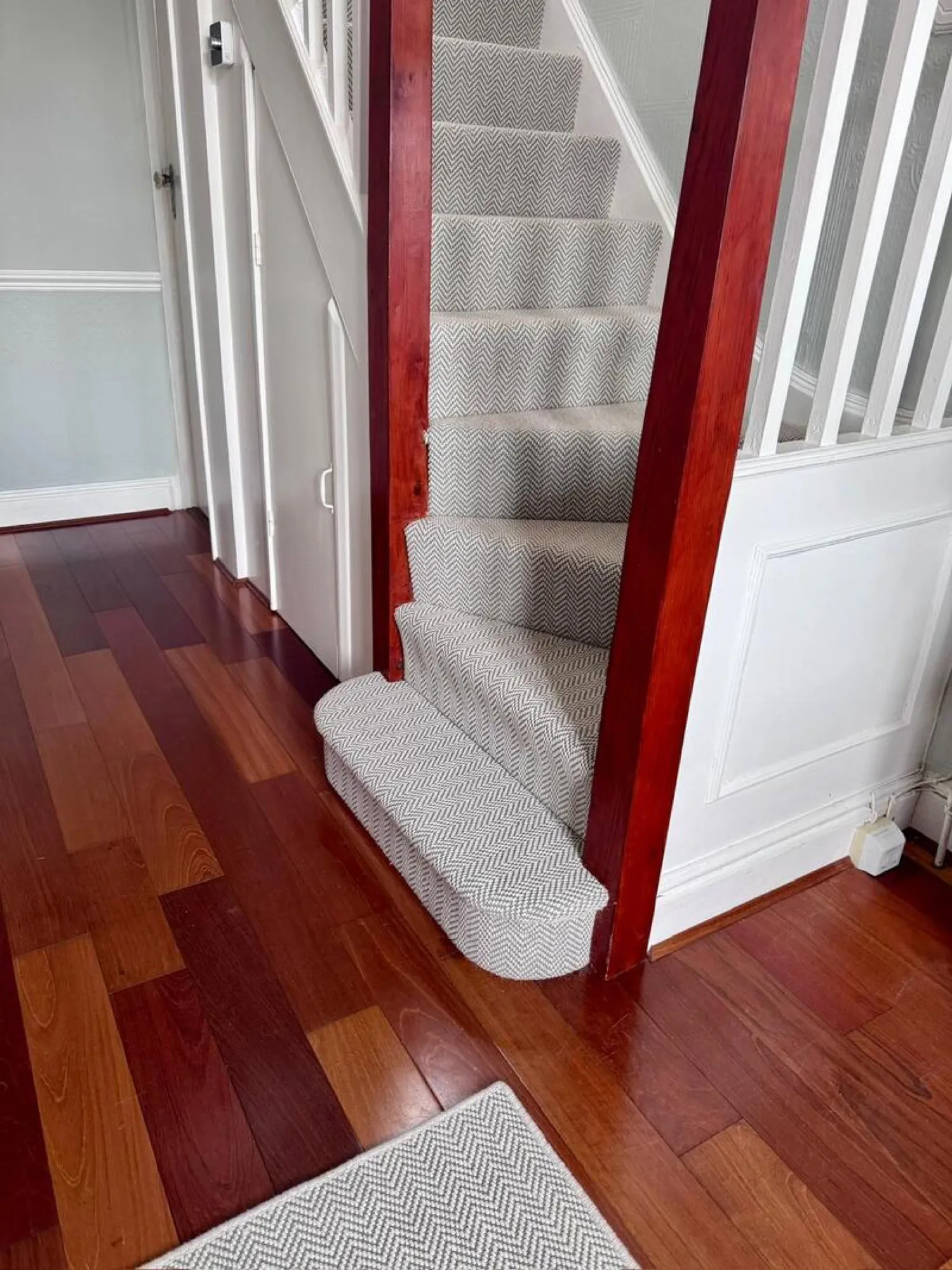
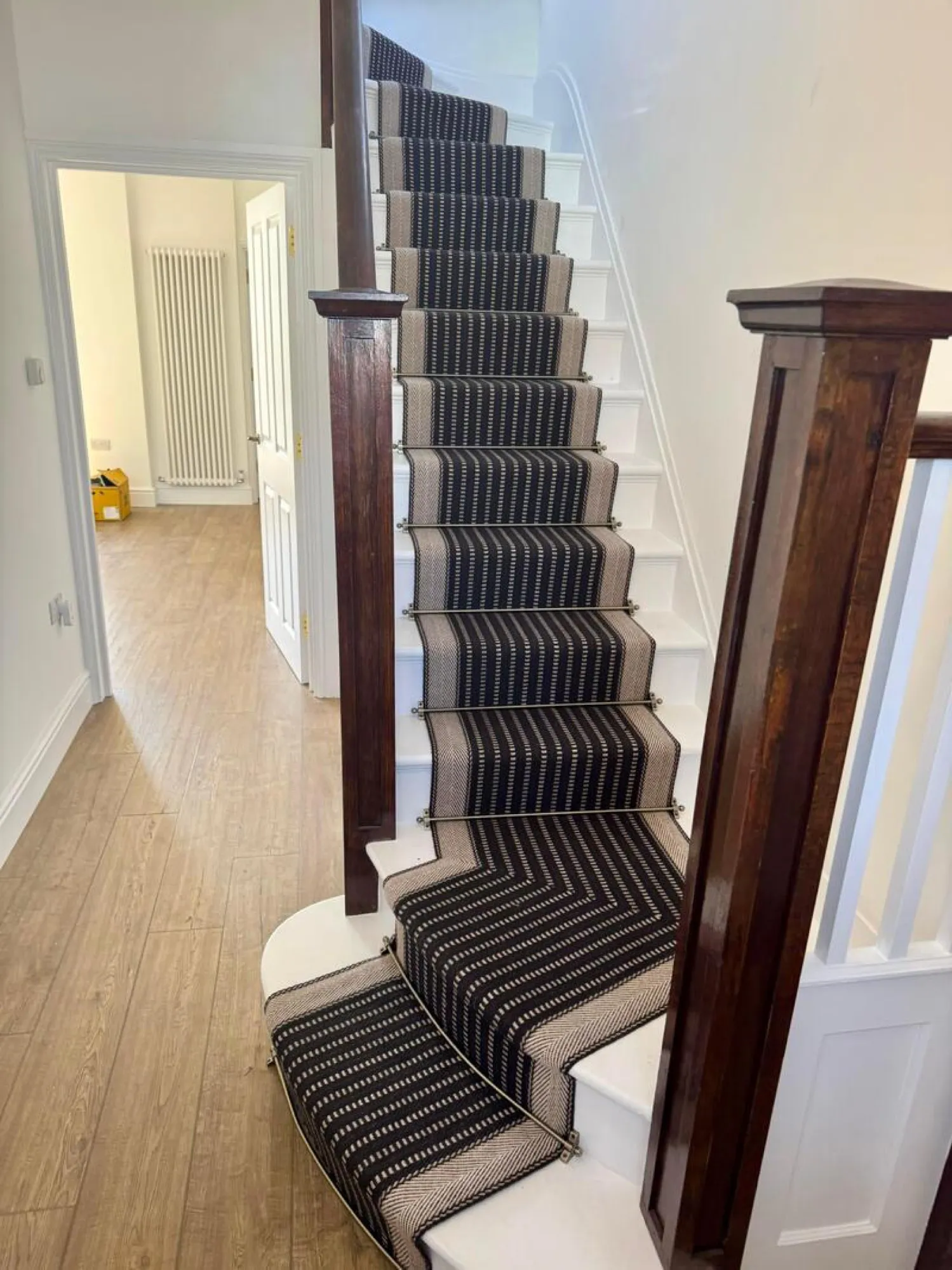
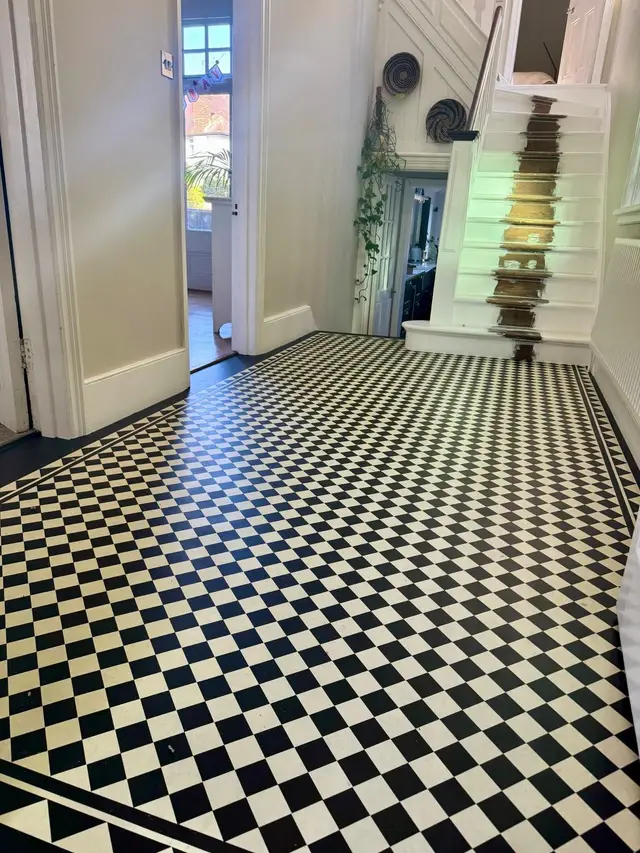
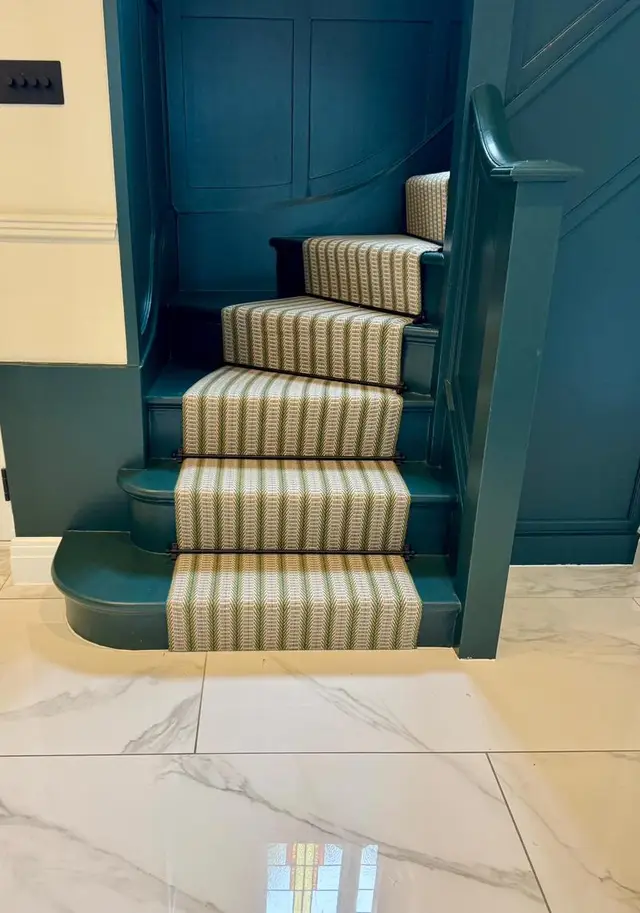
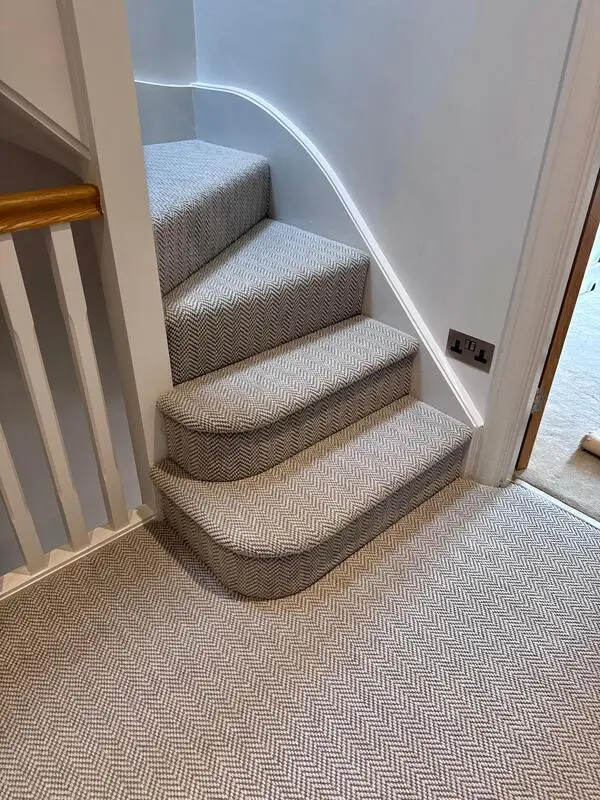
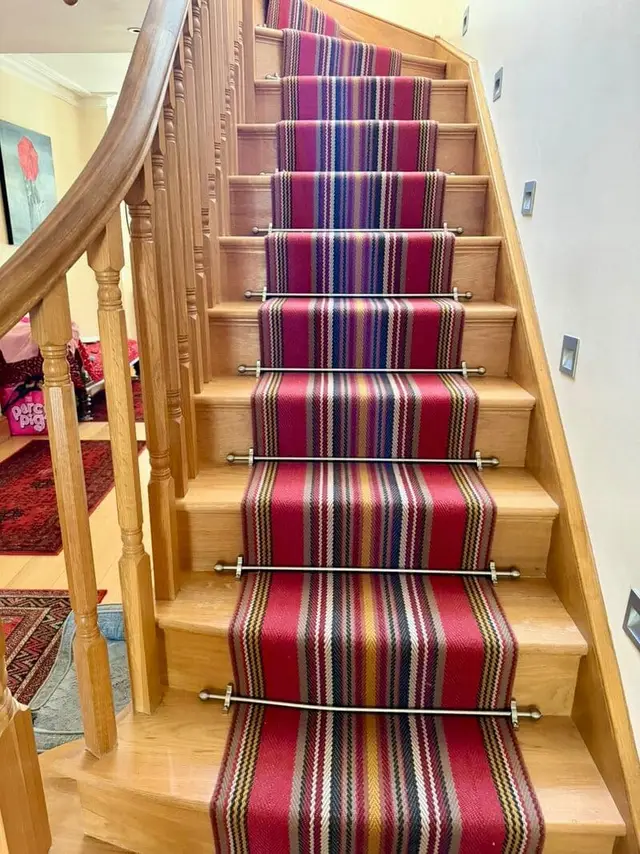
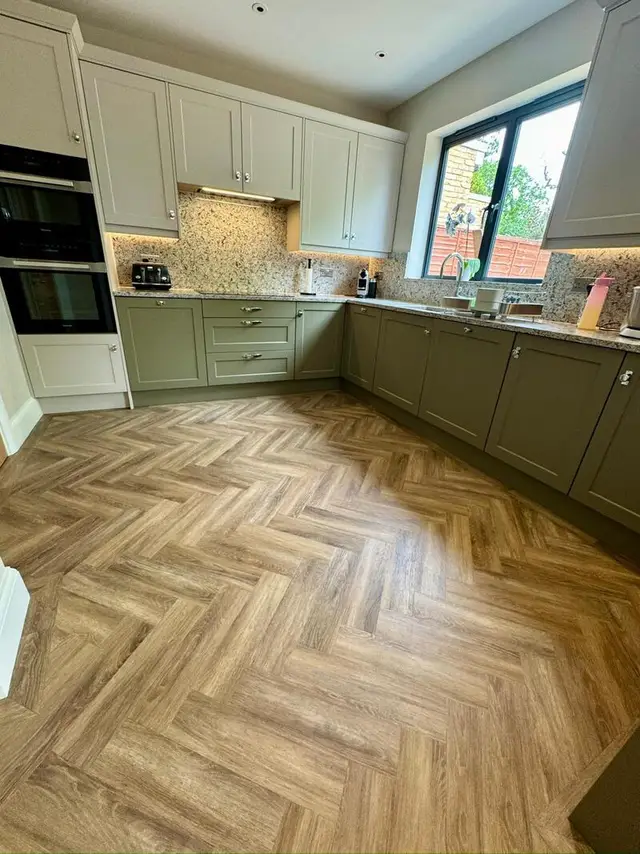
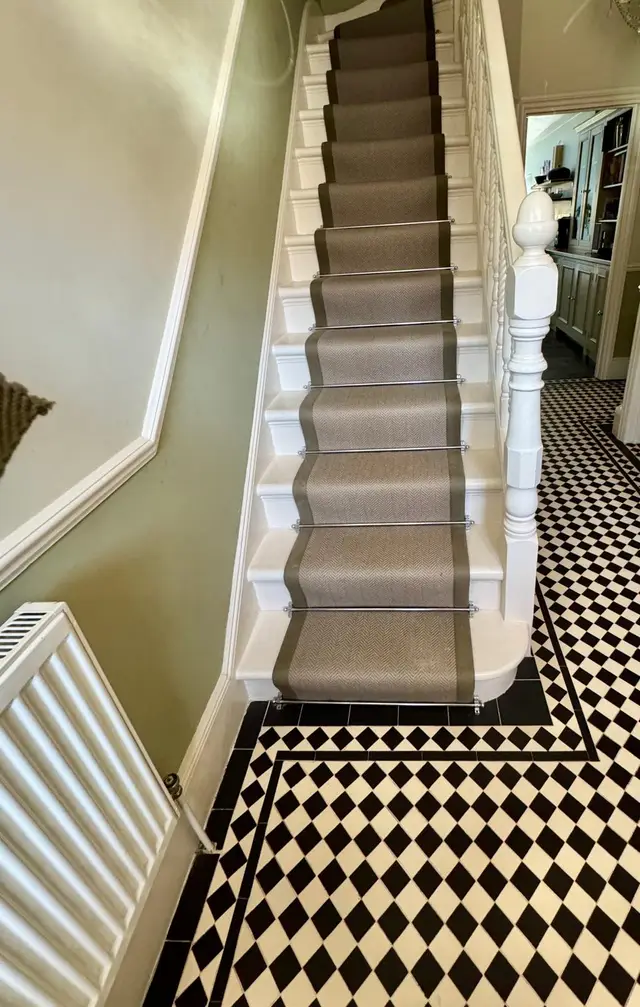
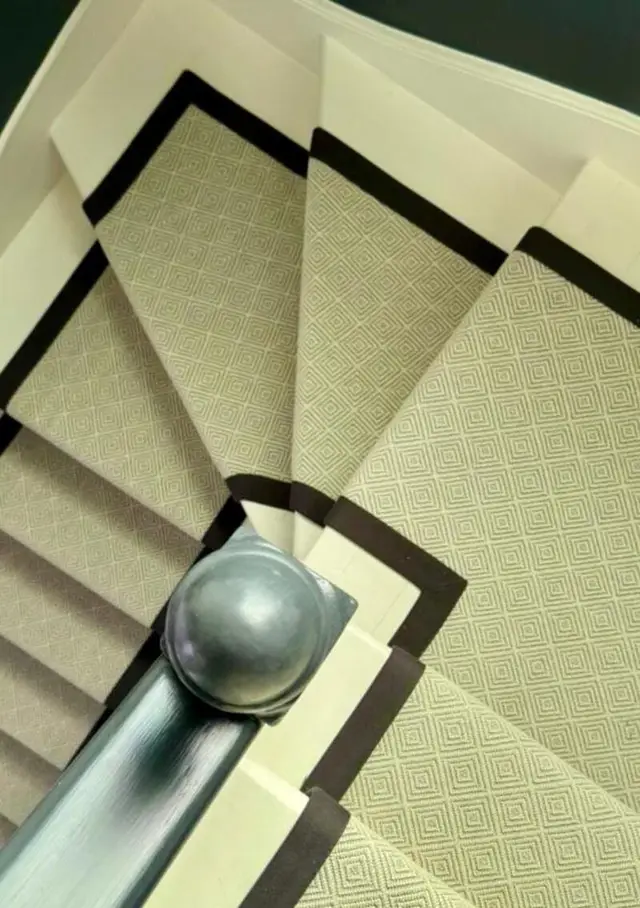
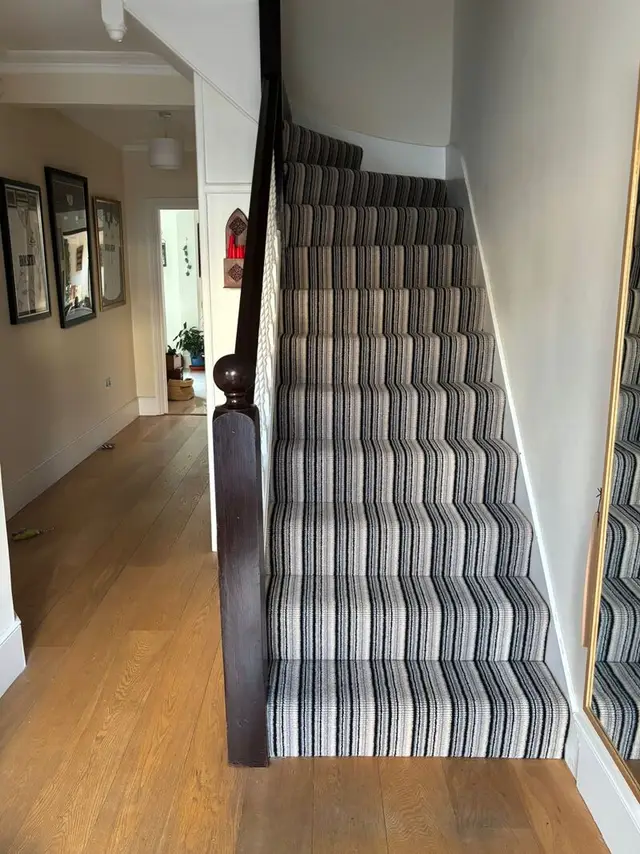
Houses of this size were built with five or six bedrooms, two or three reception rooms and a proper hall. That shapes the flooring. Halls and kitchens take the wear, so that is where most people choose a hard floor, often a parquet or herringbone pattern that suits the period. Bedrooms go back to carpet over a good underlay. Staircases in these houses often turn at a landing, which matters if you want a runner, because a turn needs a template visit before the runner is made.
The Grangeway is the local high street, with the parade of shops and flats Metherell built, the station and The Gryphon pub. Old Park Avenue, opened in 1912, climbs to Enfield Town, while Green Dragon Lane drops down to Green Lanes and our door. Grange Park Methodist Church on Old Park Ridings, the Art Deco Church in the Orchard, opened in 1938, and St Peter's on Vera Avenue followed during the war. Grange Park also holds a tug of war every Boxing Day.
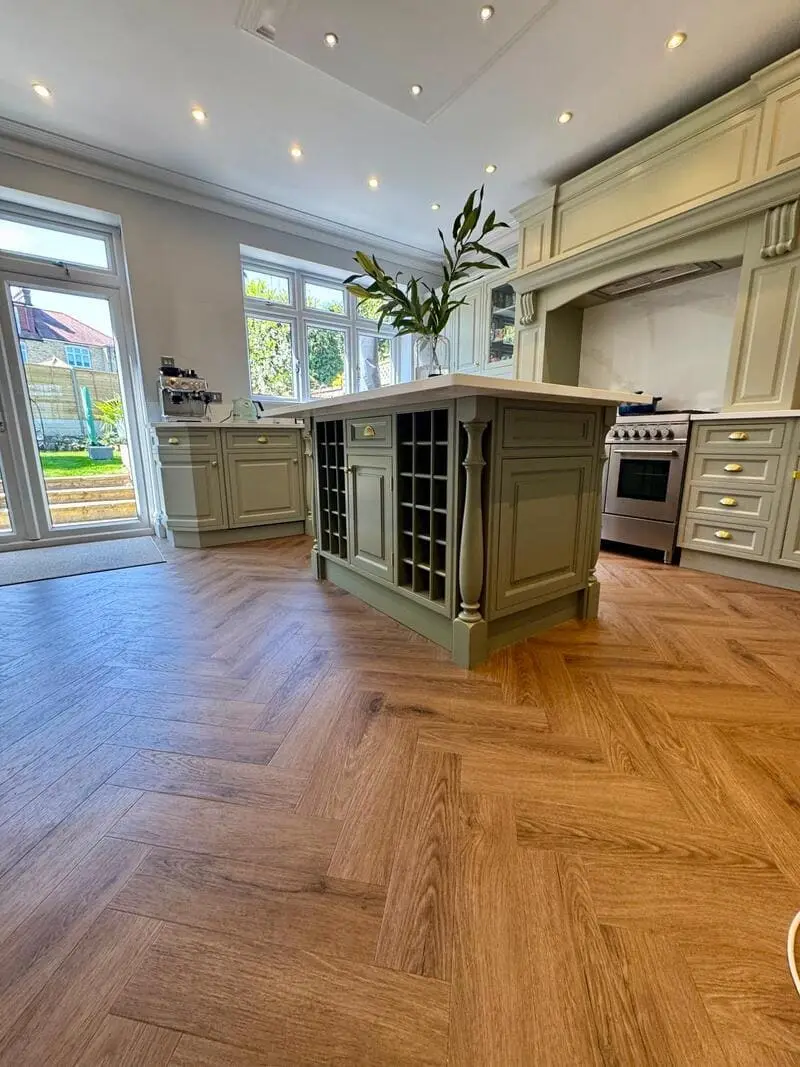
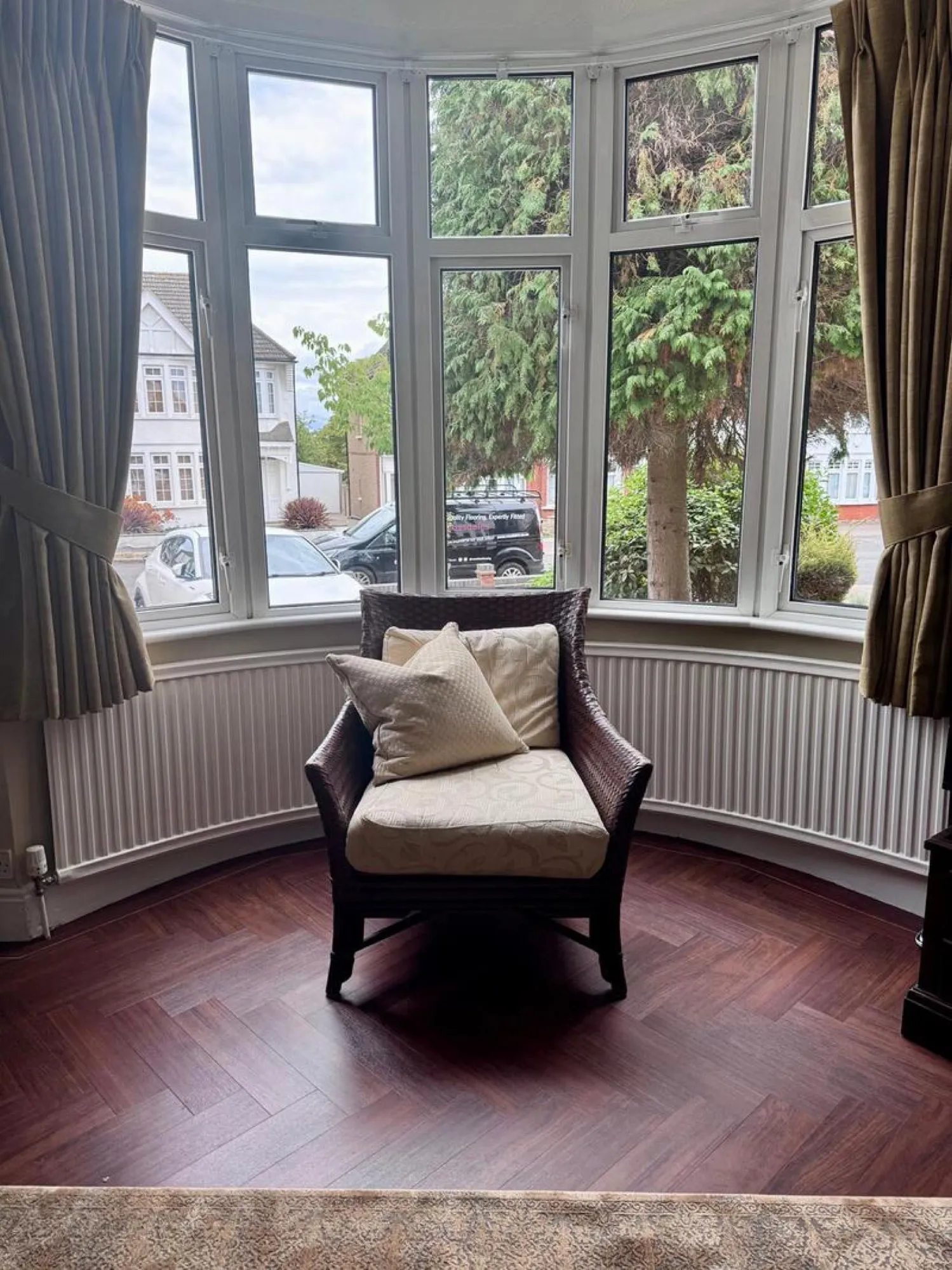
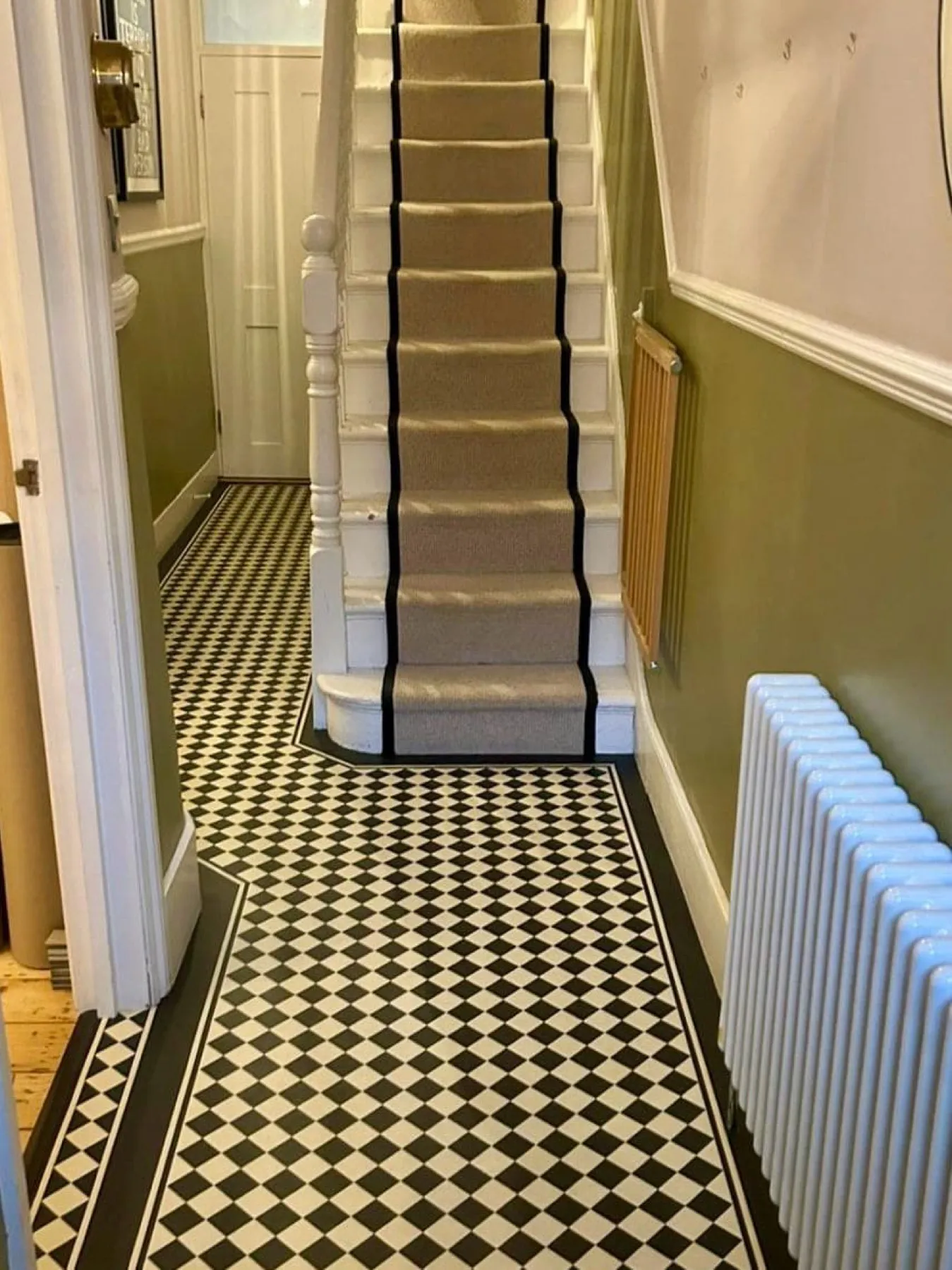
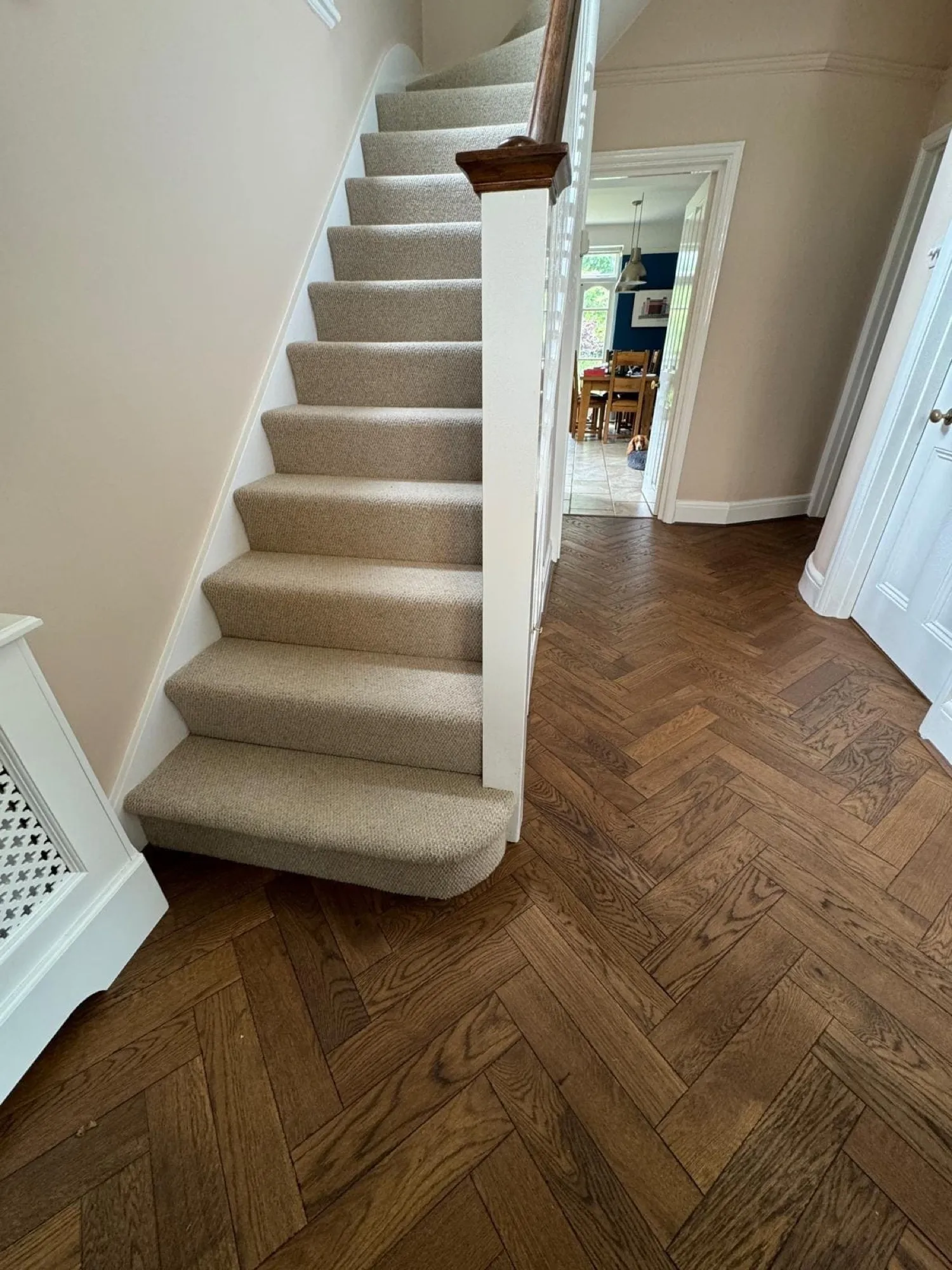
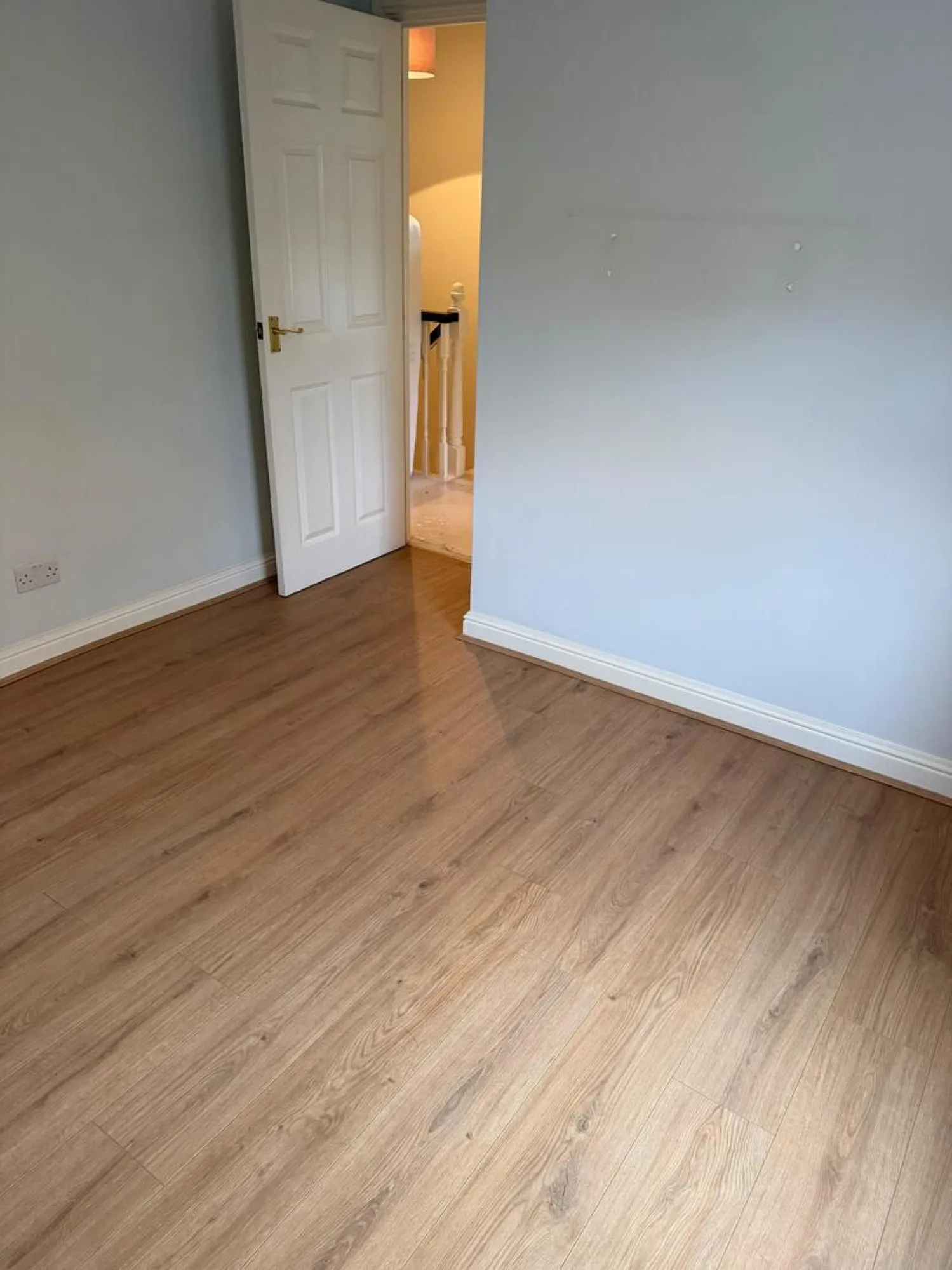
In Grange Park itself we laid Amtico Form in Thornton Oak as a large parquet herringbone, framed with a 3mm polished brass pencil line (Ref 13596). On The Chine we fitted Westex Exquisite in Mushroom through four bedrooms, the landing and the stairs, with the stairs cut and made into a runner with a black fabric edge (Ref 13048). Down the hill in Winchmore Hill we have recently fitted Furlong engineered oak (Ref 13755) and Uber Wood laminate (Ref 13743).