Enfield, EN1Flooring for Bush Hill Park homes
The estate was laid out after 1875, when the North London Estates Company bought most of the old Bush Hill Park lands. The station opened in 1880 and the first houses followed over the next six years, many designed by the architect R Tayler Smith. The grandest went up on Village Road, with more substantial homes on Wellington Road, Queen Anne's Place and Dryden Road, and by 1914 the estate was more or less complete.
The railway has always split Bush Hill Park in two. West of the line are detached houses, many gabled and tile-hung, in large gardens, and since the 1980s much of this side has been a conservation area, later extended to Private Road. East of the line, terraces of smaller houses went up from the late 1880s. Some of the big western houses were replaced by blocks of flats after 1960, before the conservation area stopped it, so flats sit among the villas too.
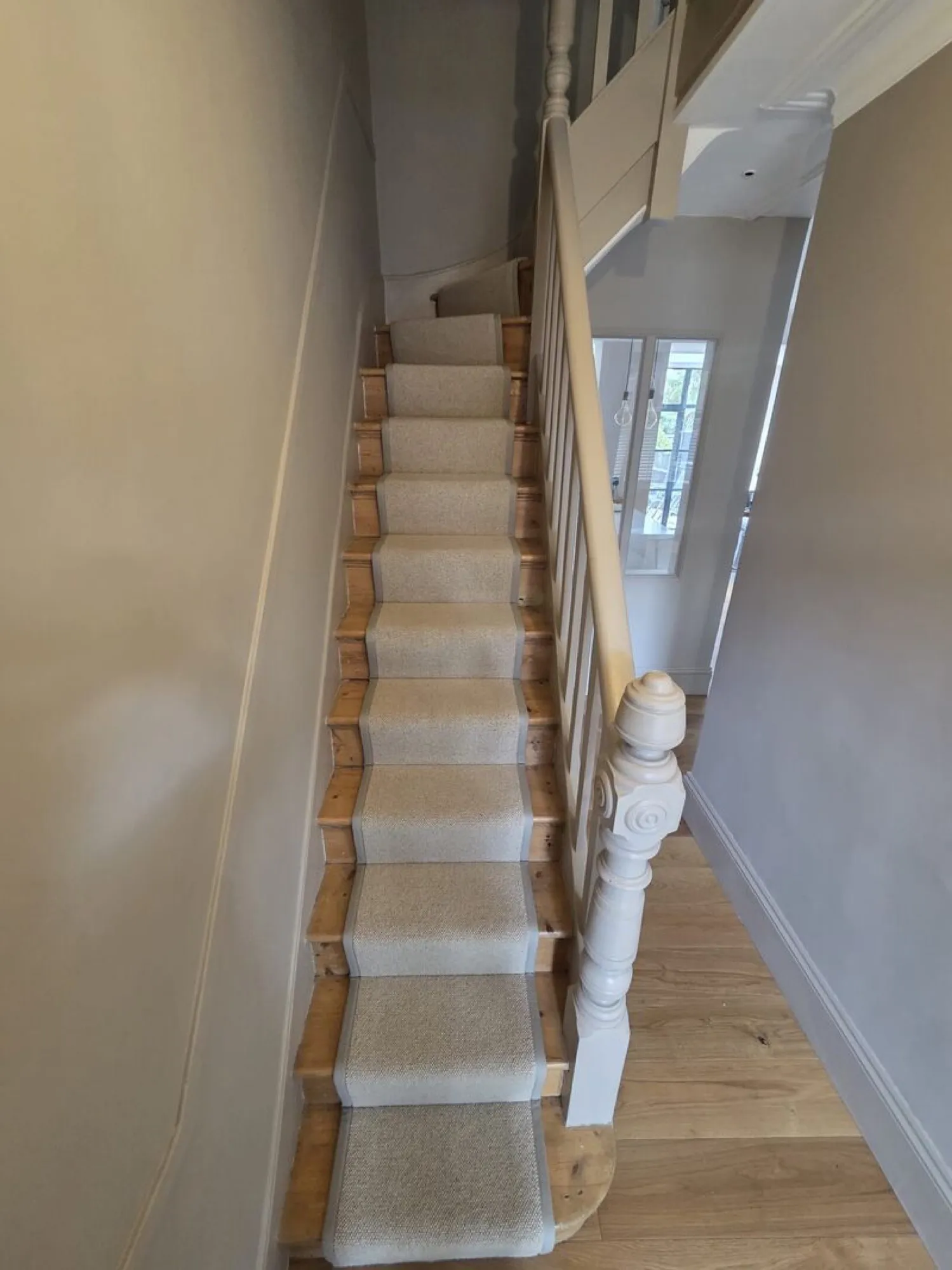
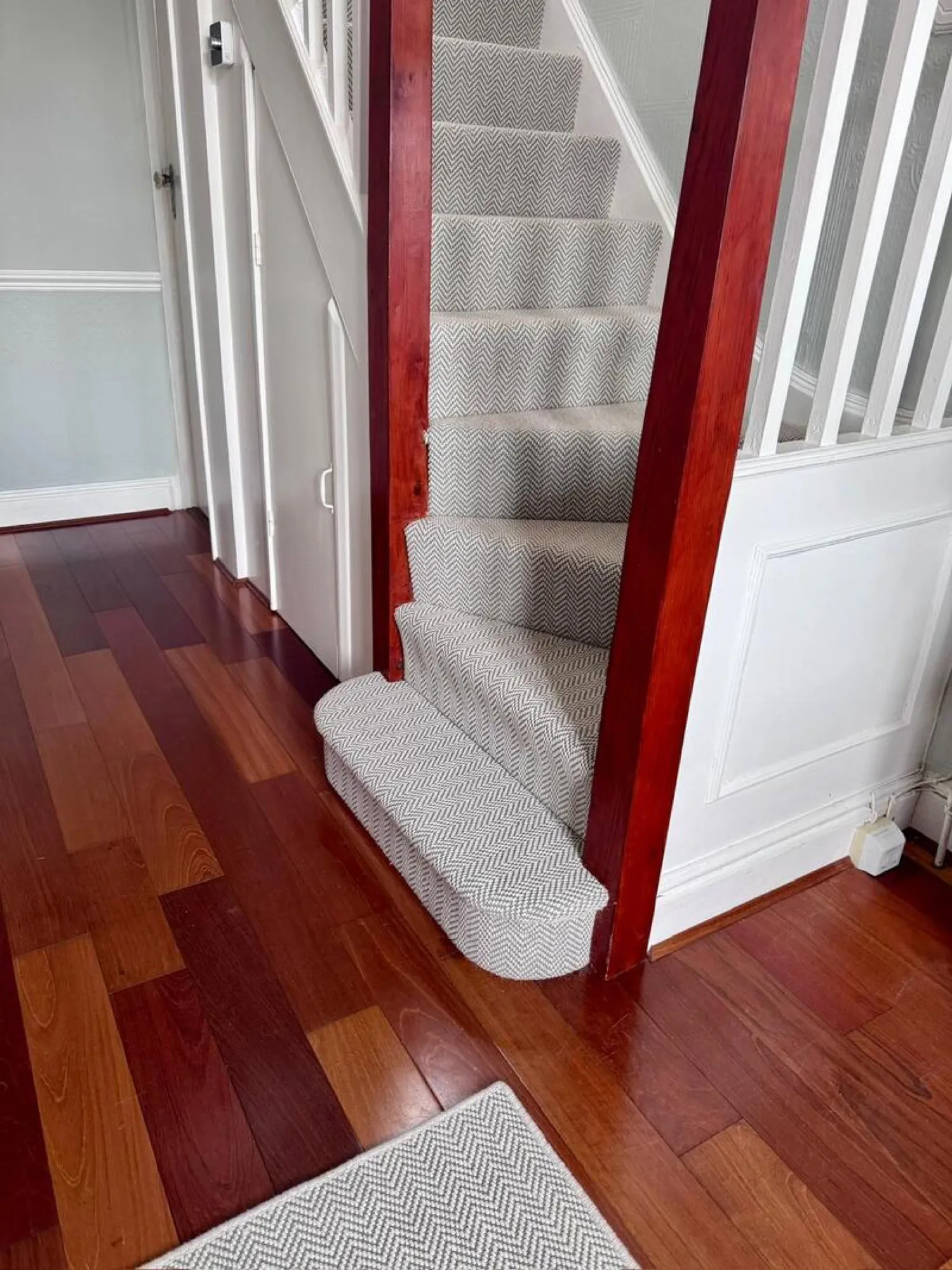
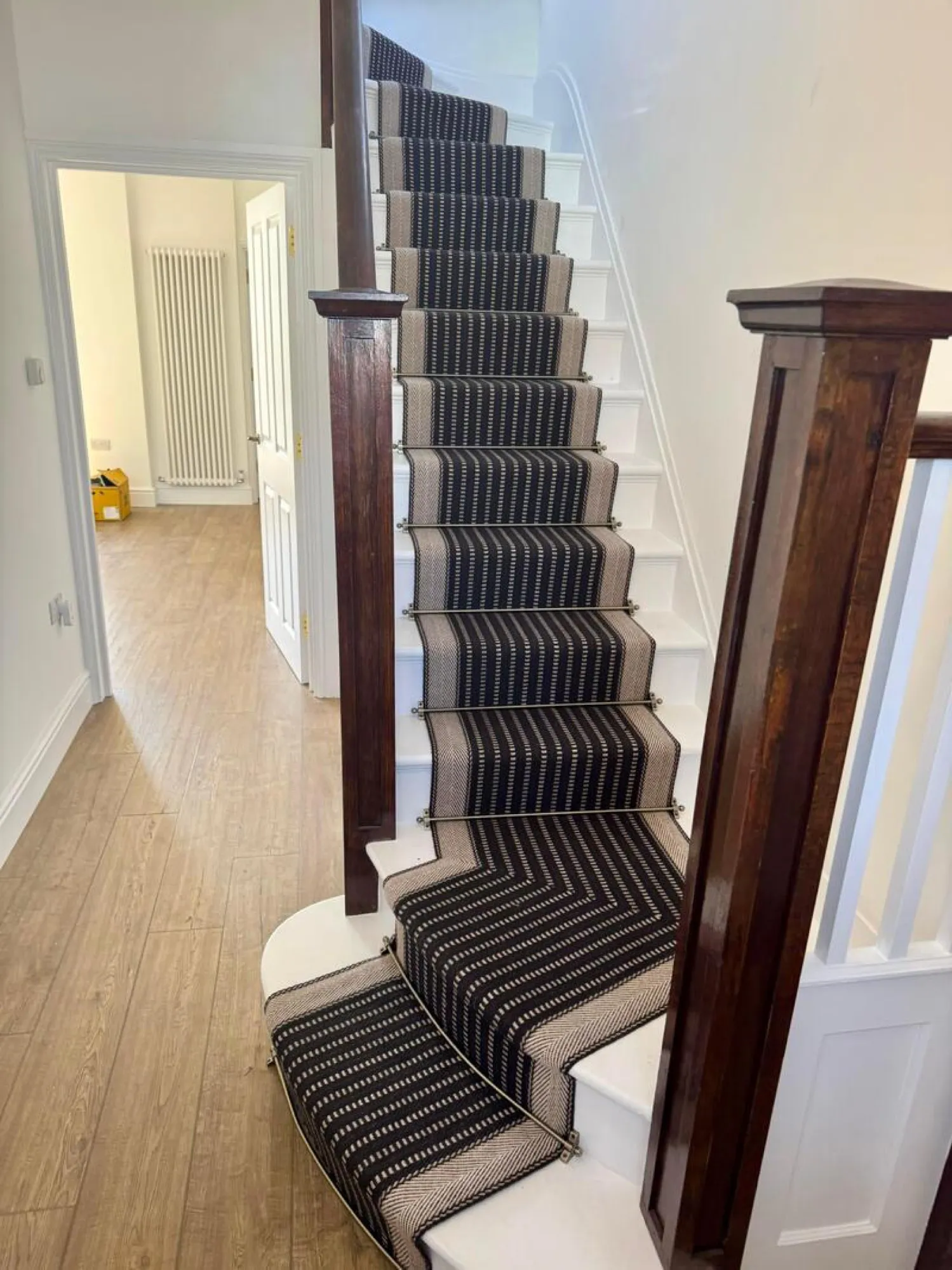
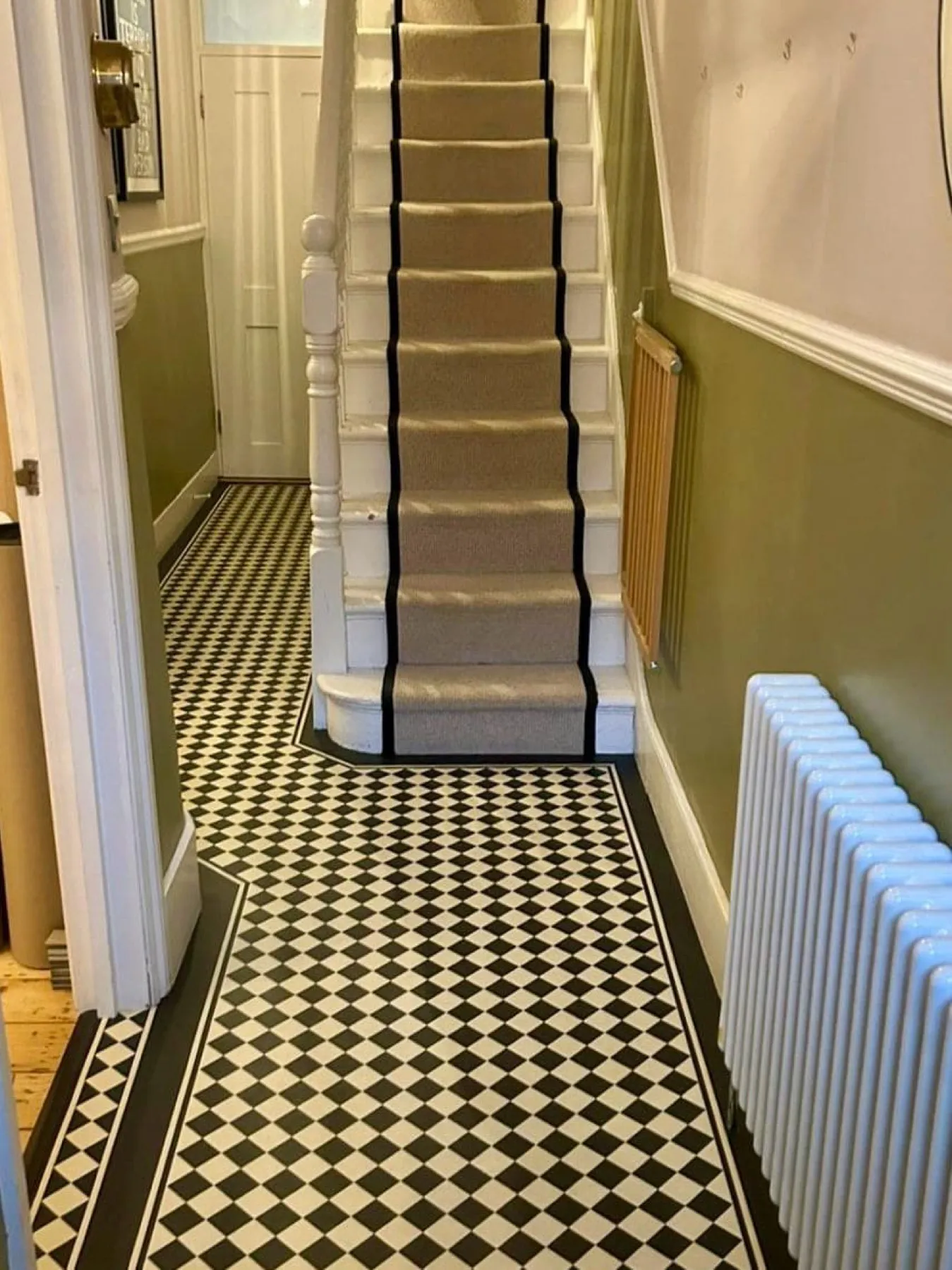
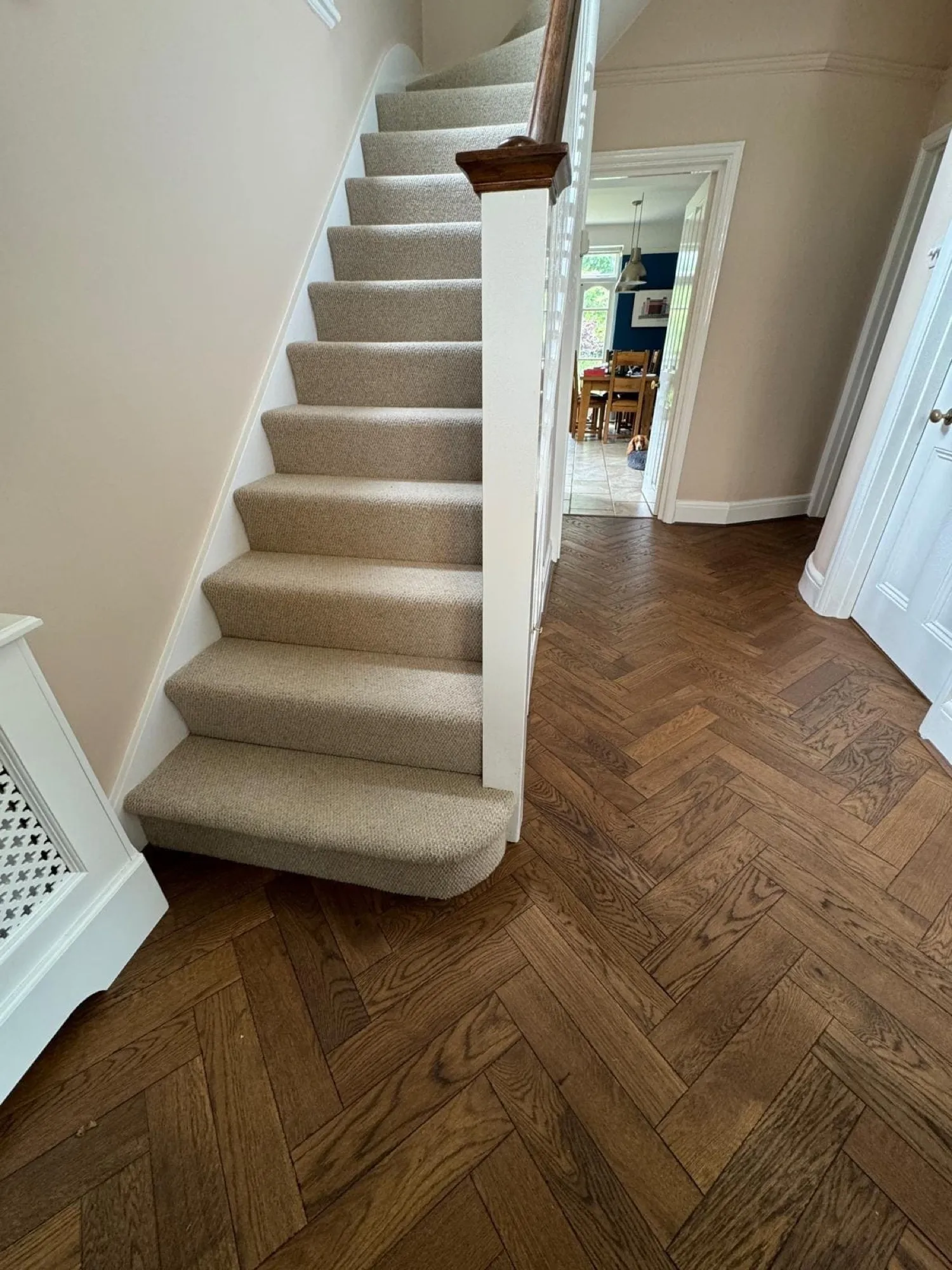
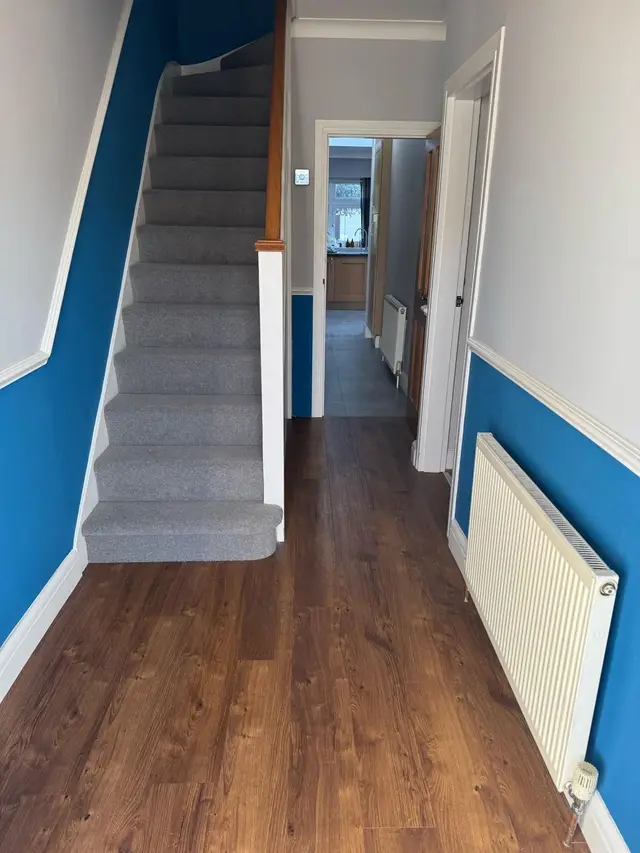
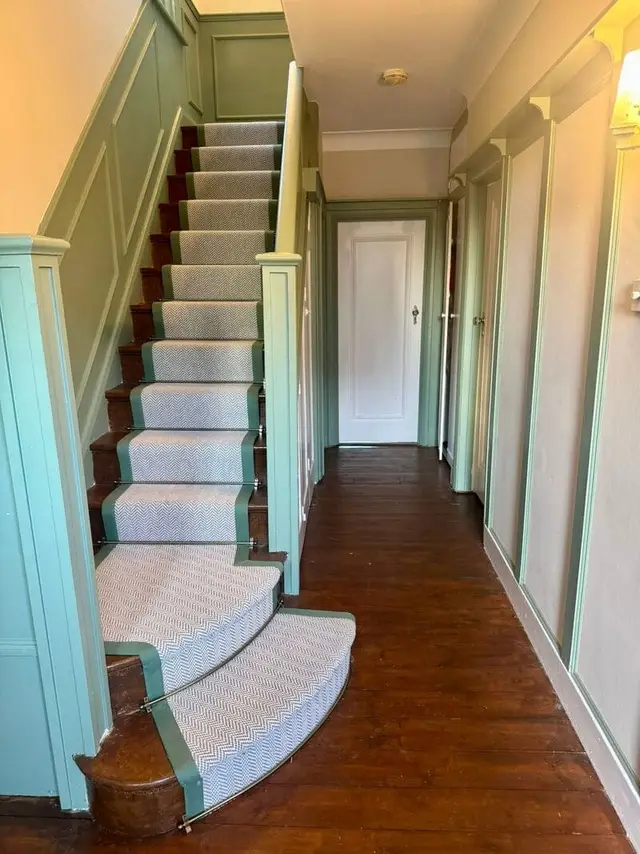
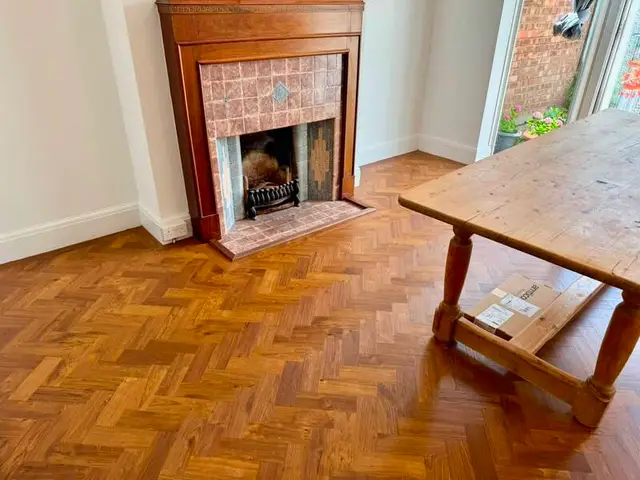
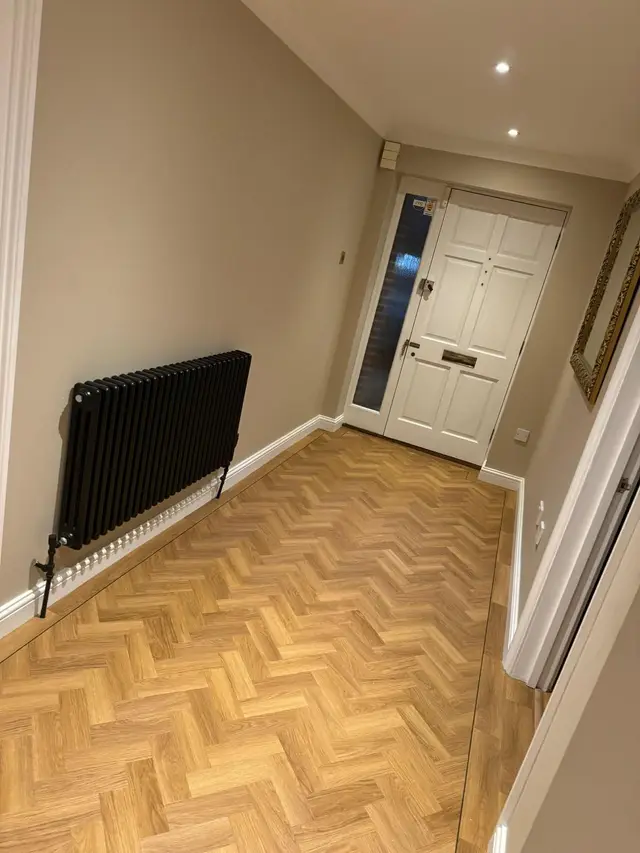
Those differences decide the flooring. A villa might have a wide hall, a turning staircase and perhaps original tiles, where a stair runner and a patterned hard floor work well together. A terrace usually has a narrower hall and a single straight flight, the most straightforward staircase there is to fit. In the flats, many leases ask for an acoustic underlay under any hard floor, so it pays to check yours before choosing.
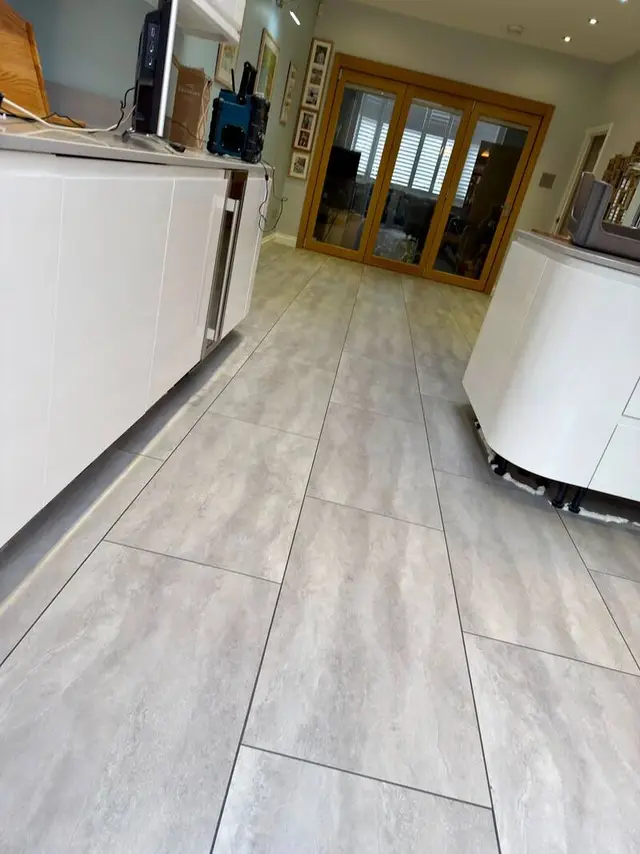
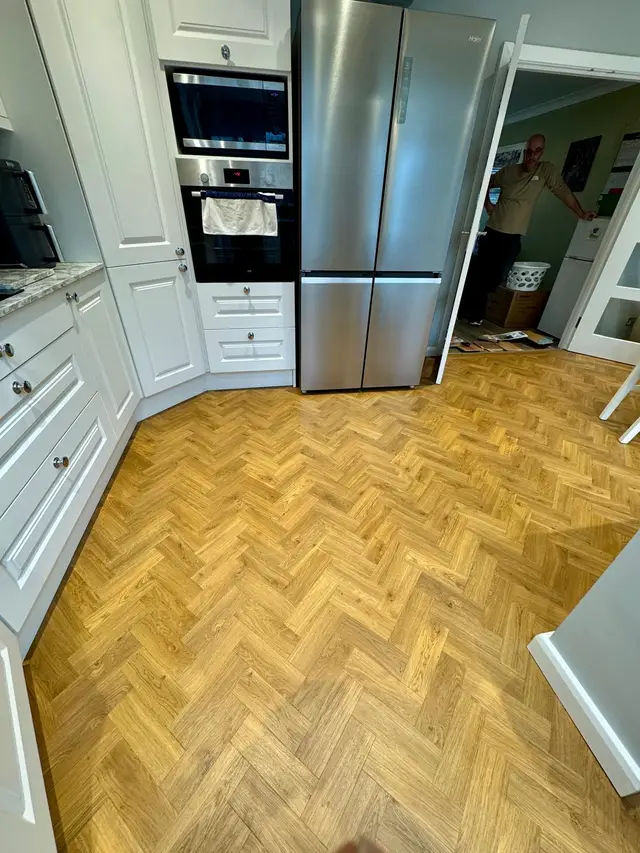
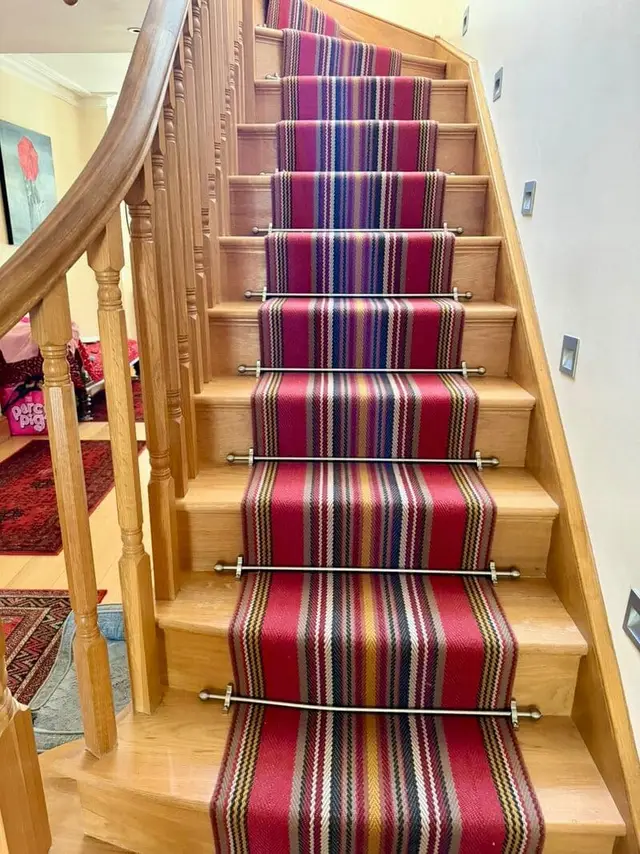
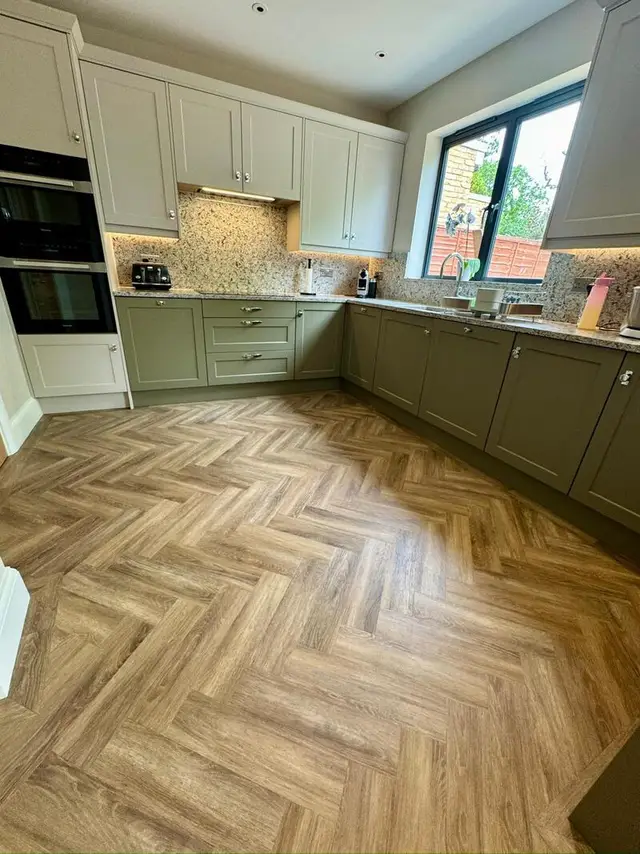
The Recreation Ground between Lincoln Road and Southbury Road opened in 1911, Bush Hill Park Golf Club dates from 1895 and the United Reformed Church on Main Avenue from 1910. The Saddlers Mill Stream still shows itself at Village Road and Wellington Road. Here we fitted a Cormar Fairisle runner in Shingle with a 25mm fabric edge in Pebble (Ref 13698). Elsewhere in EN1 we have laid Amtico Signature Tempus Embrace in a brickwork pattern (Ref 13719) and an Amtico and Cormar scheme through a hall, kitchen, stairs and landings (Ref 13304).