Enfield, EN4Flooring for Cockfosters homes
The name goes back at least to 1524 and may come from the chief forester of Enfield Chase, the old royal hunting ground that once covered this whole corner of London. By the 1860s a small village had grown up along Cockfosters Road, with Christ Church, founded in 1839, and The Cock inn on Chalk Lane, which opened in 1798. Cockfosters still sits across the boundary, partly in Enfield and partly in Barnet.
Everything changed in July 1933, when the Piccadilly line reached its new terminus here and a housebuilding boom followed. Much of Cockfosters dates from those years: semis and detached houses on roads running off Cockfosters Road and Bramley Road, then post-war houses and plenty of flats. In the houses, a hard floor downstairs and carpet upstairs is the usual pattern, while flat owners often need an acoustic underlay to keep neighbours happy and the lease satisfied.
Trent Country Park, about 320 hectares, fills the east side of Cockfosters Road, with Trent Park House at its heart. In the Second World War senior German officers were held there and secretly recorded. The Hornsey School of Art campus at the top of Cat Hill closed in 2011, but Chickenshed Theatre on Chase Side, Southgate School on Sussex Way and East Barnet School are all local names.
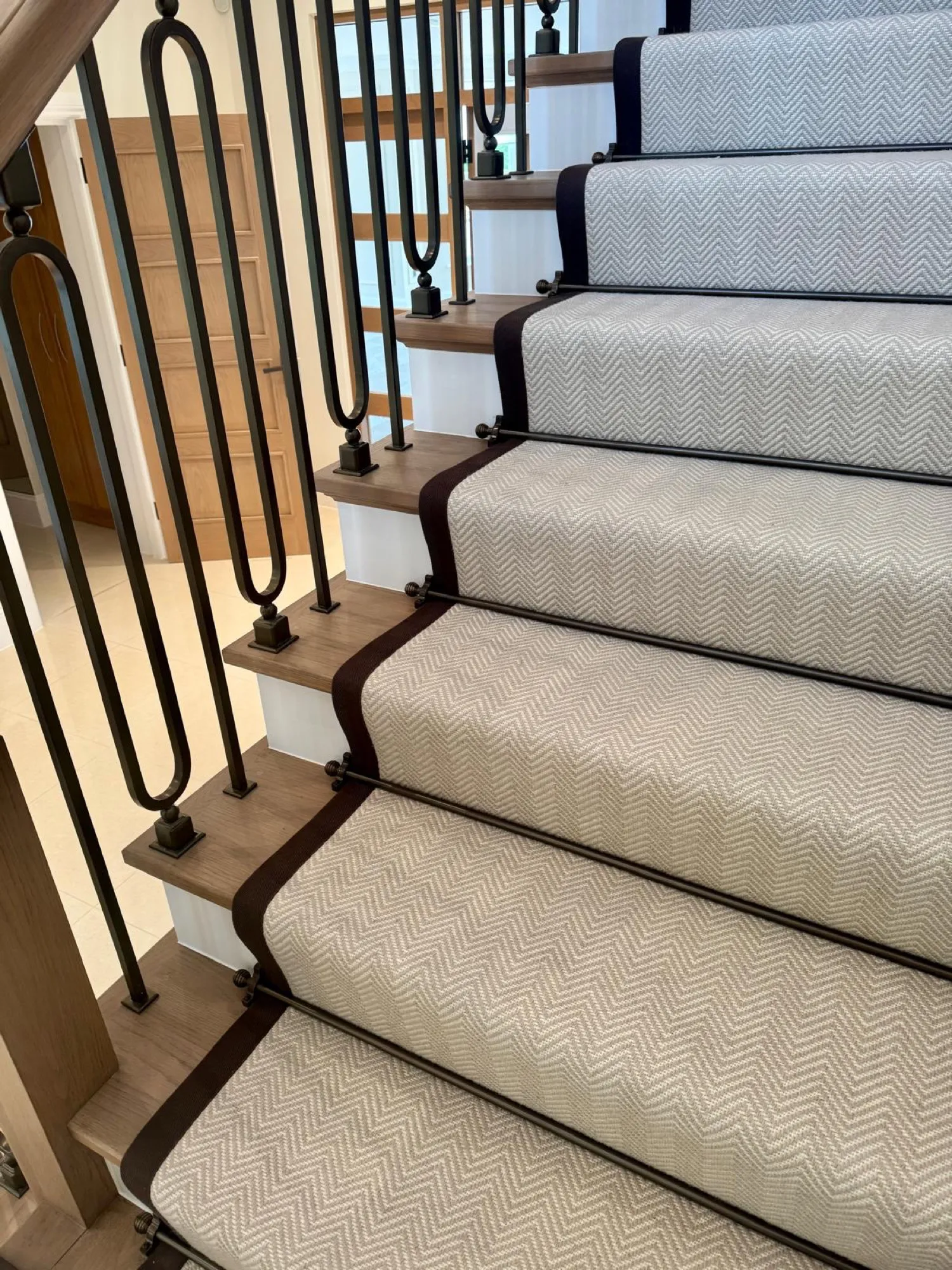
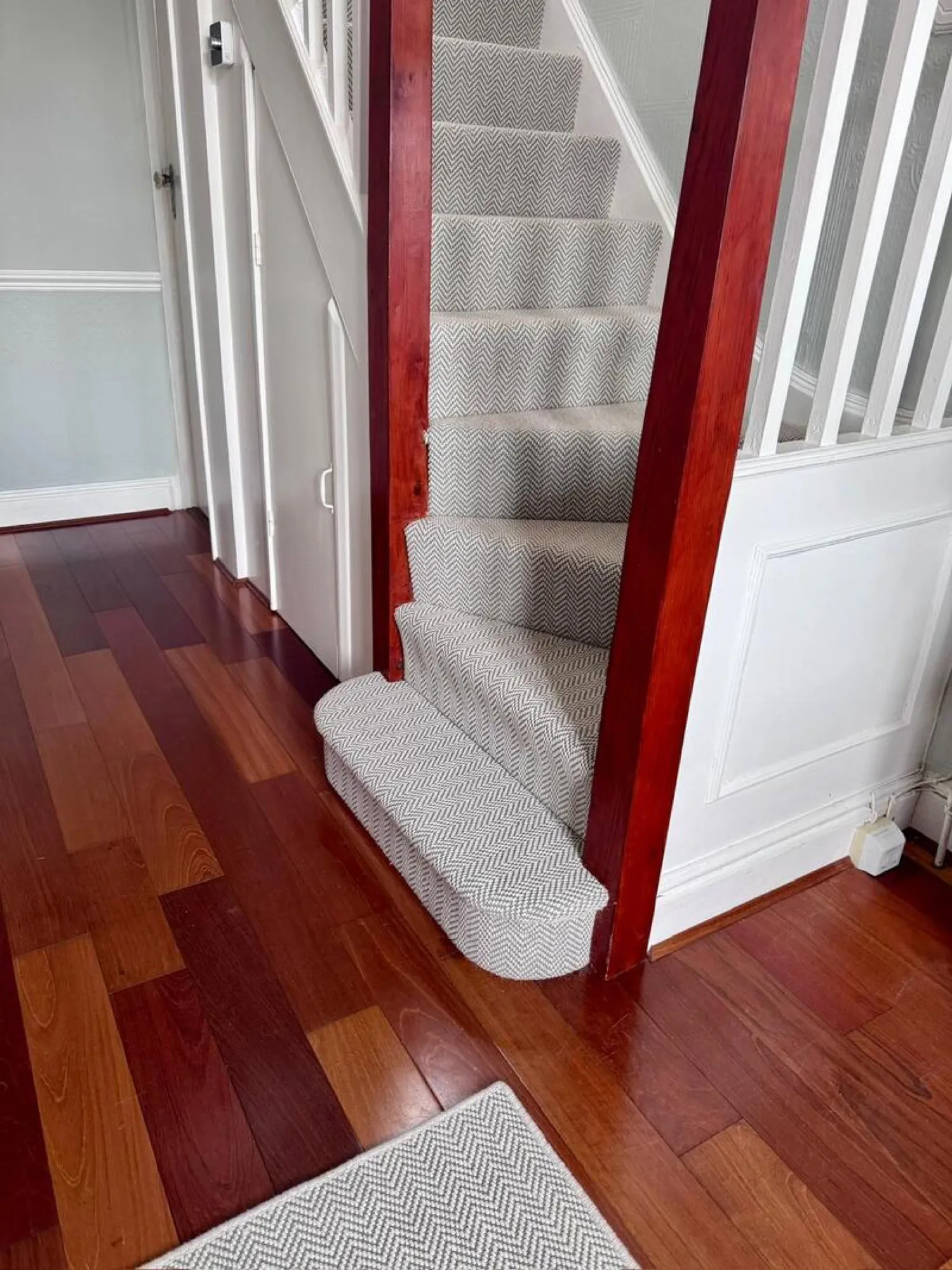
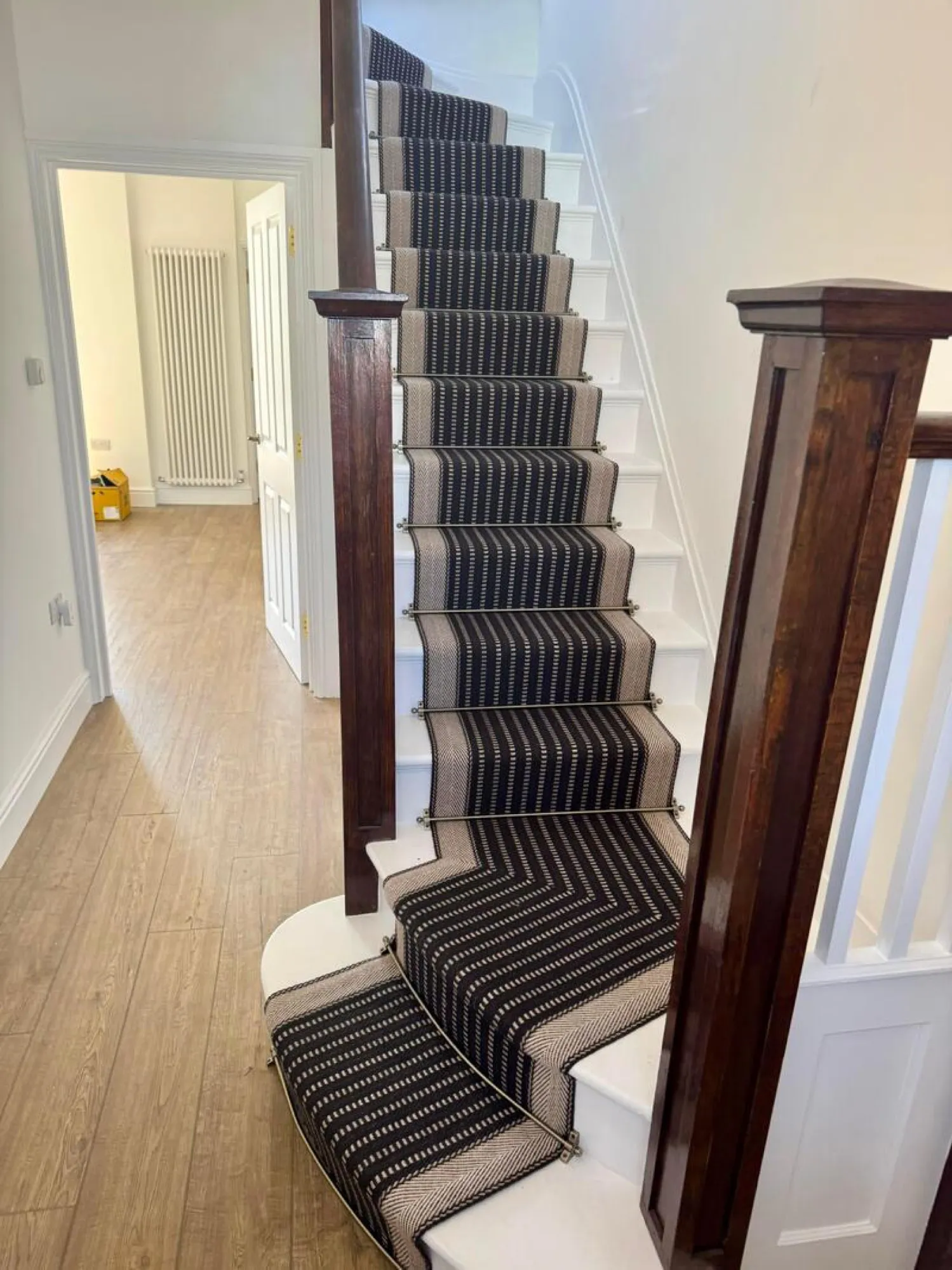
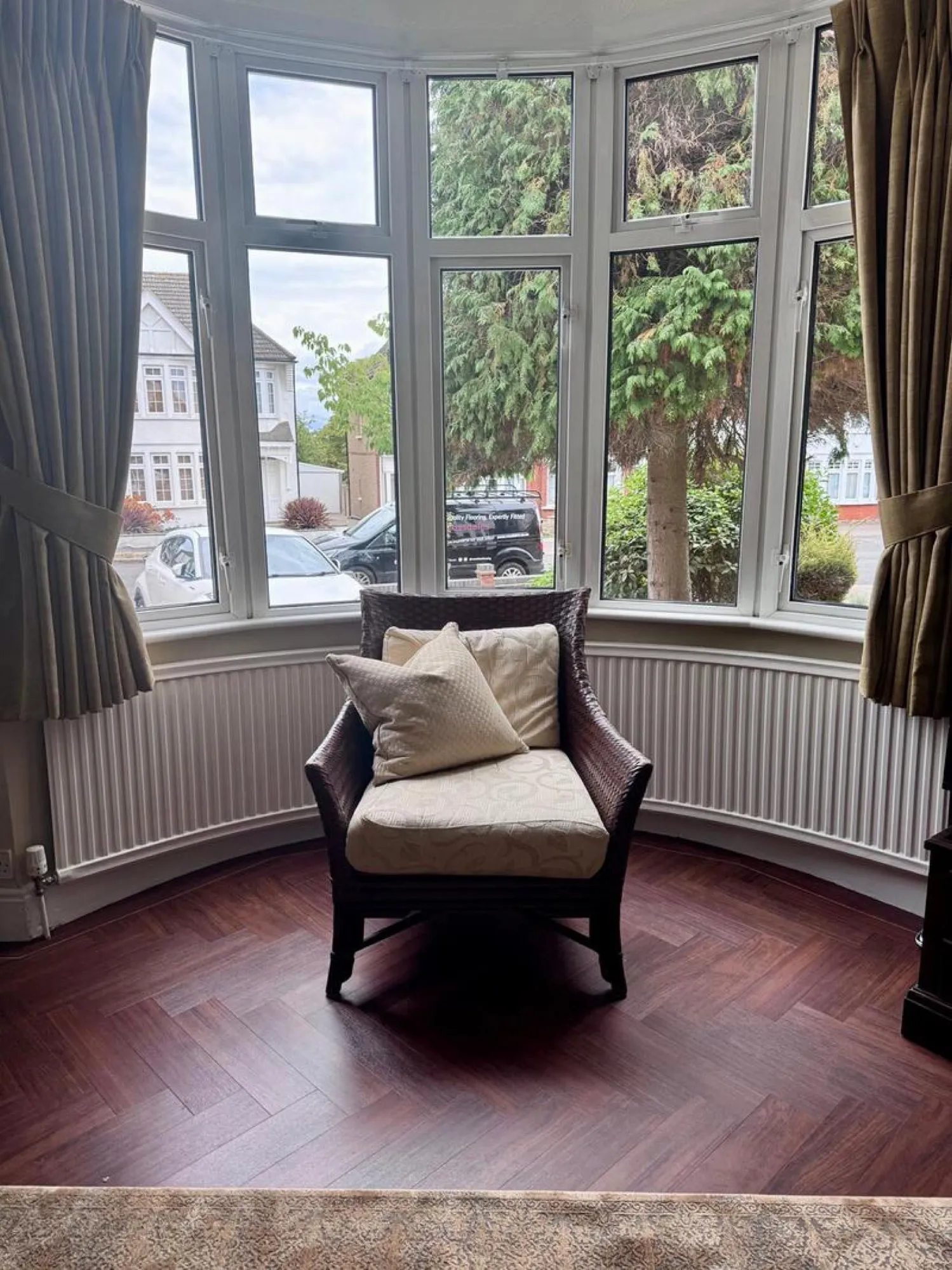
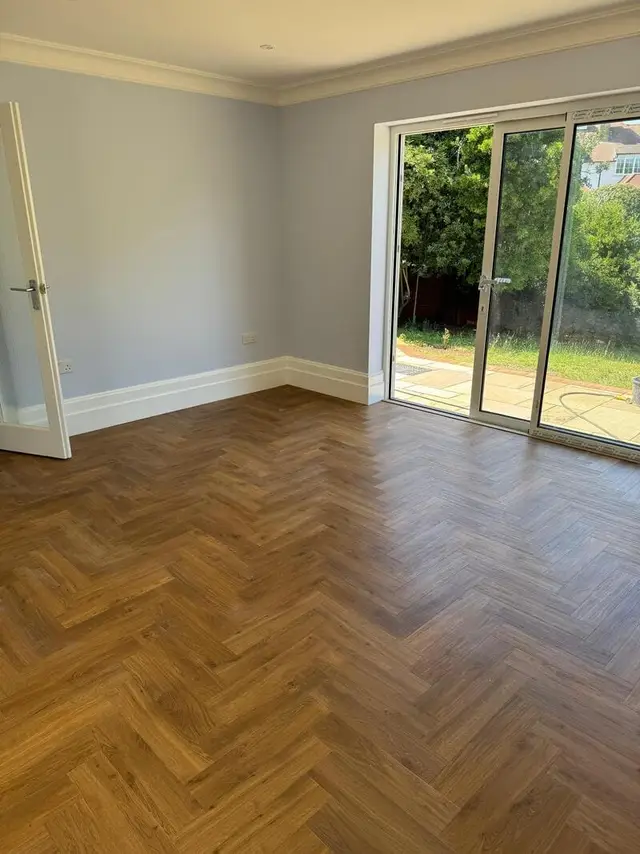
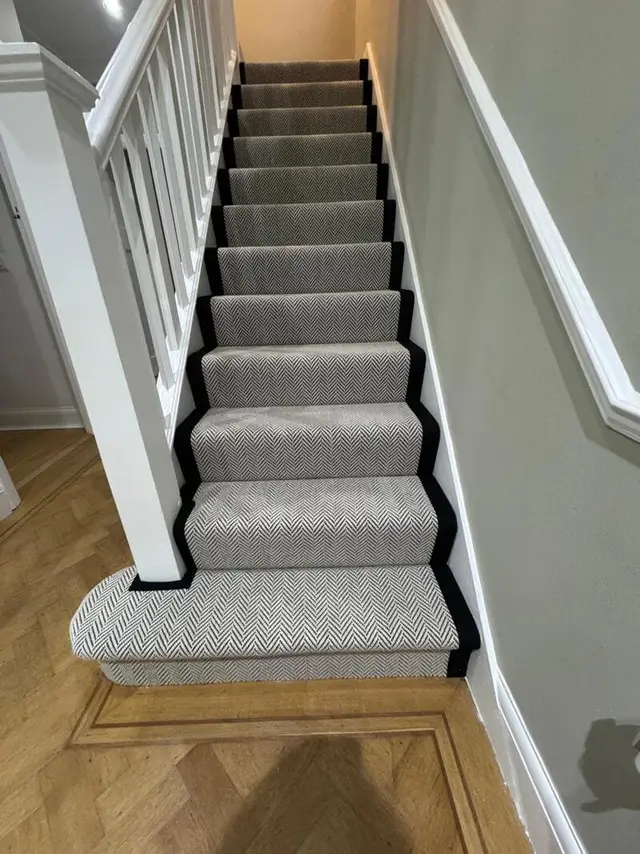
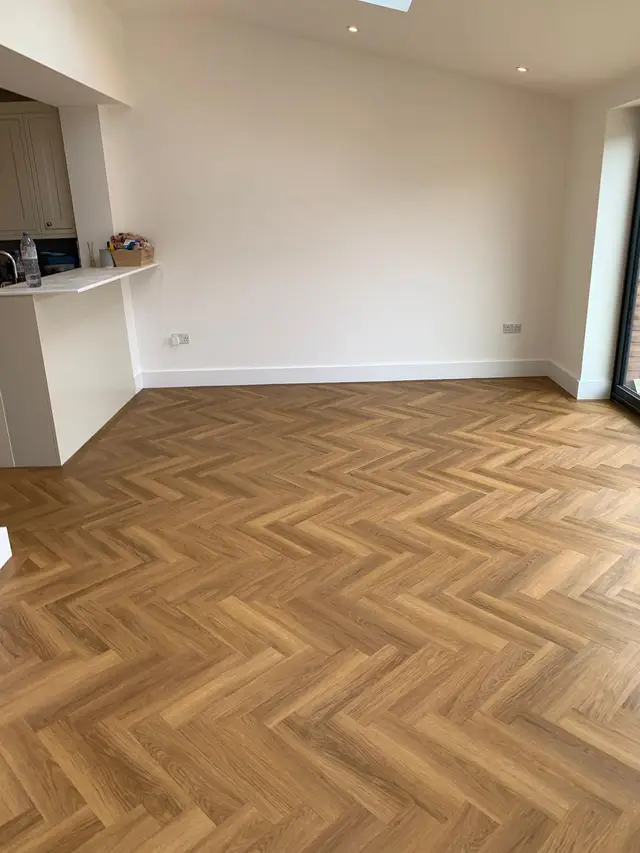
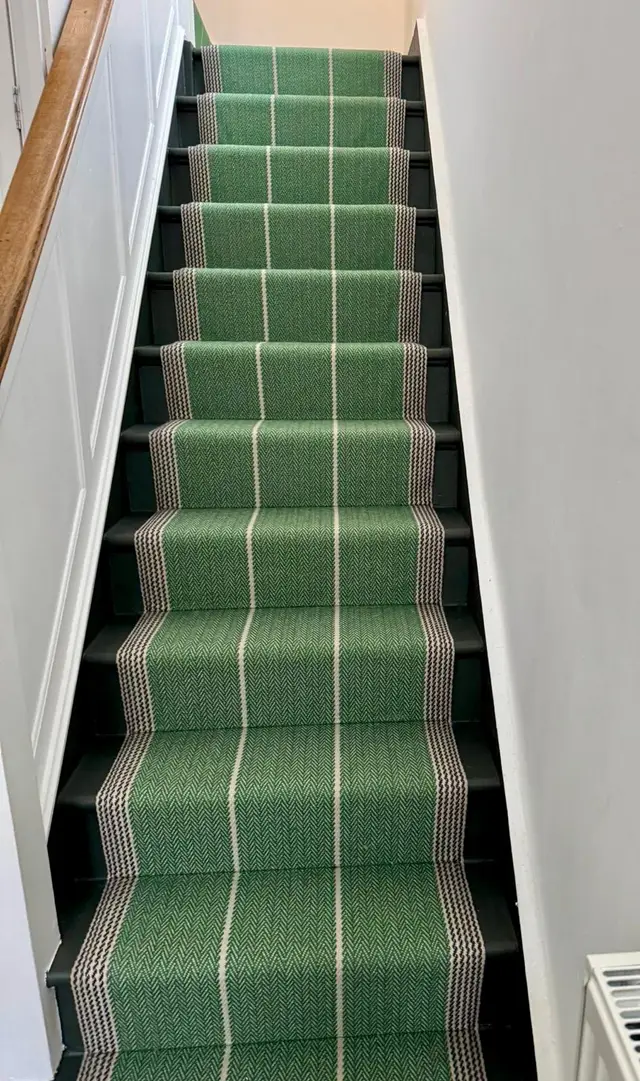
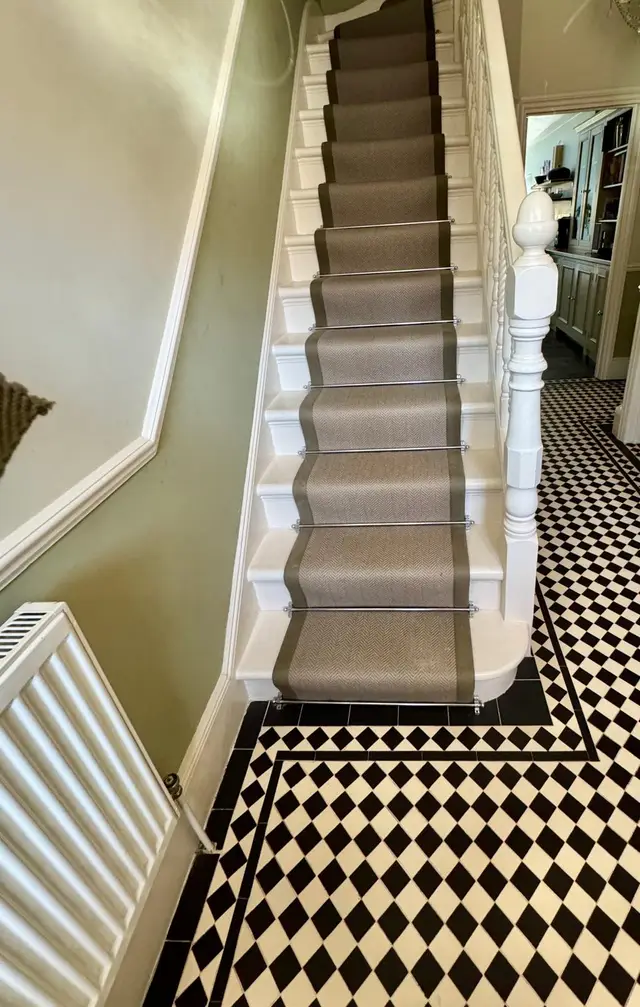
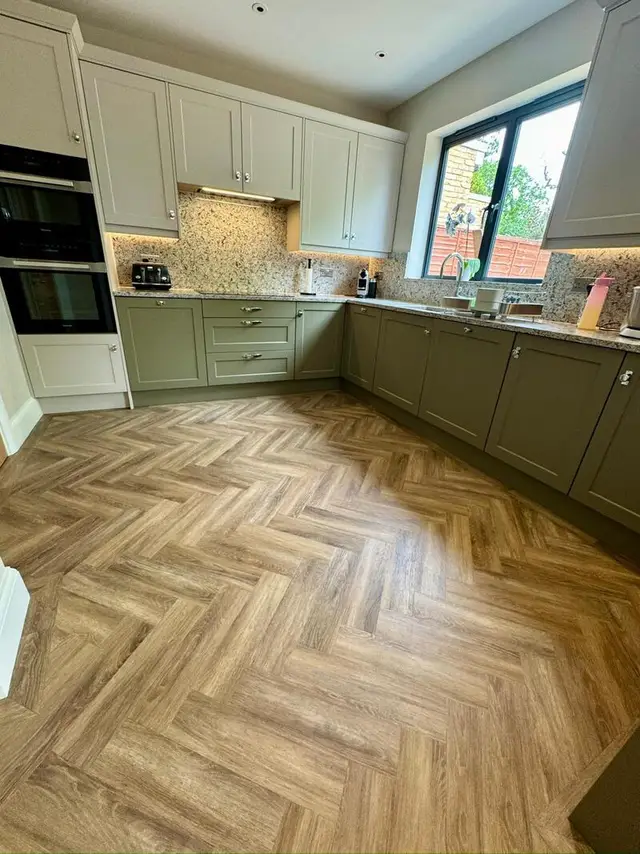
We have no Cockfosters job in our portfolio yet, but we work all around it. In Hadley Wood we fitted a Riviera Sorrento herringbone flatweave runner in Canella with an Arabica fabric edge and Vision Sphere rods (Ref 13341). In N14, one stop down the line, we fitted a Fibre Flooring herringbone runner in Ivory (Ref 13539) and an Amtico Spacia Honey Oak herringbone with a plank-on-edge border (Ref 12597).