Enfield, EN3Flooring for Enfield Lock homes
The Hertford Road follows the line of Ermine Street, the Roman road north from London, and the three districts grew along it. Enfield Wash probably takes its name from a ford where that road crossed Turkey Brook, and Enfield Highway from the old king's highway. St James' Church at Enfield Highway was consecrated in 1831, and Wright's Almshouses, a terrace of six, were built in 1847.
Enfield Lock is named after the lock on the River Lee Navigation, rebuilt in 1922. From around 1812 the government's rifle factory grew up on the marshes beside it and became the Royal Small Arms Factory, home of the Lee-Enfield rifle. It closed in the late 1980s, and most of the site is now Enfield Island Village, with the old machine shop frontage kept as workshops. Families on Ordnance Road, Salisbury Road and Medcalf Road go back generations, and part of the area is a conservation area.
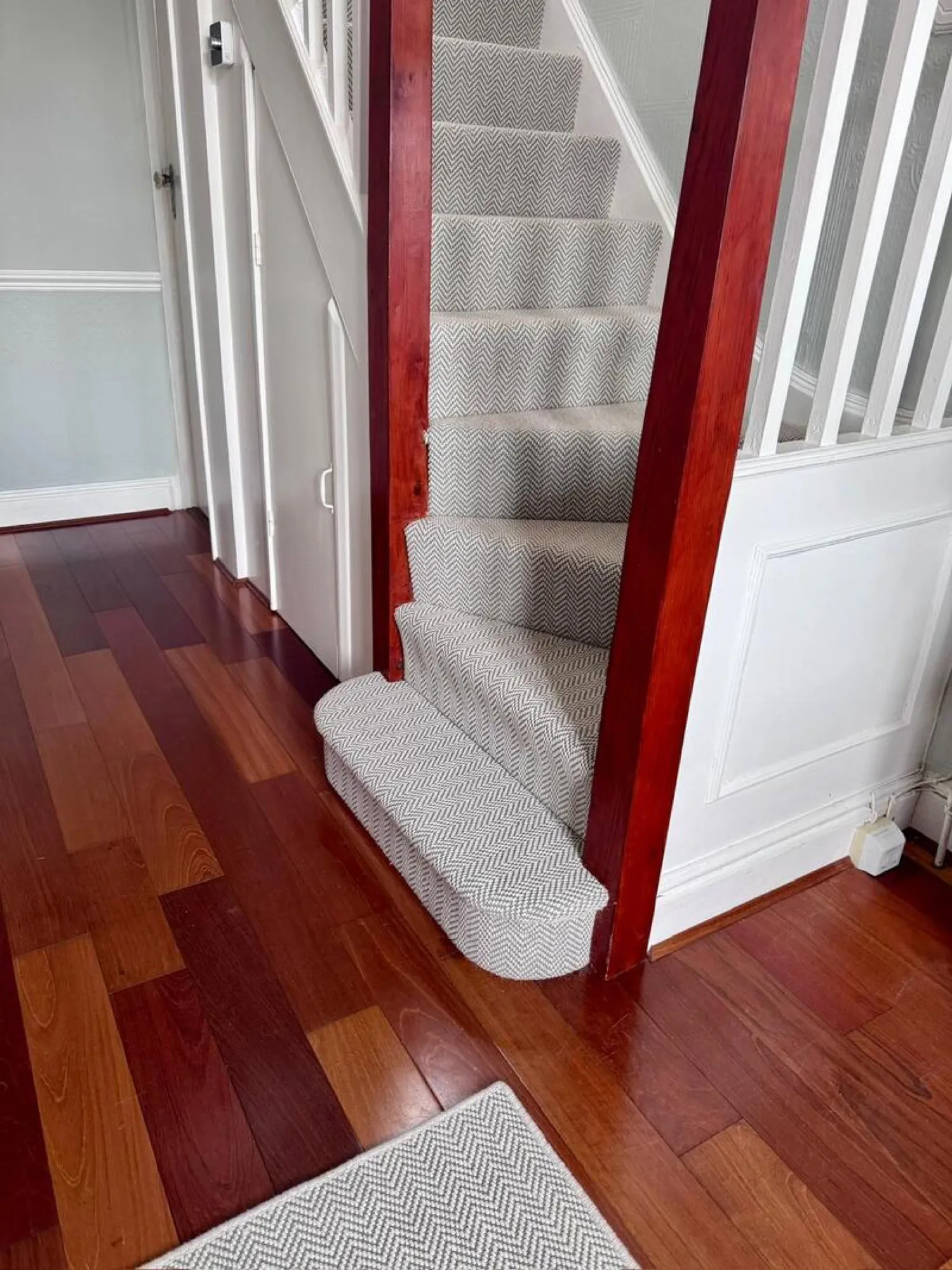
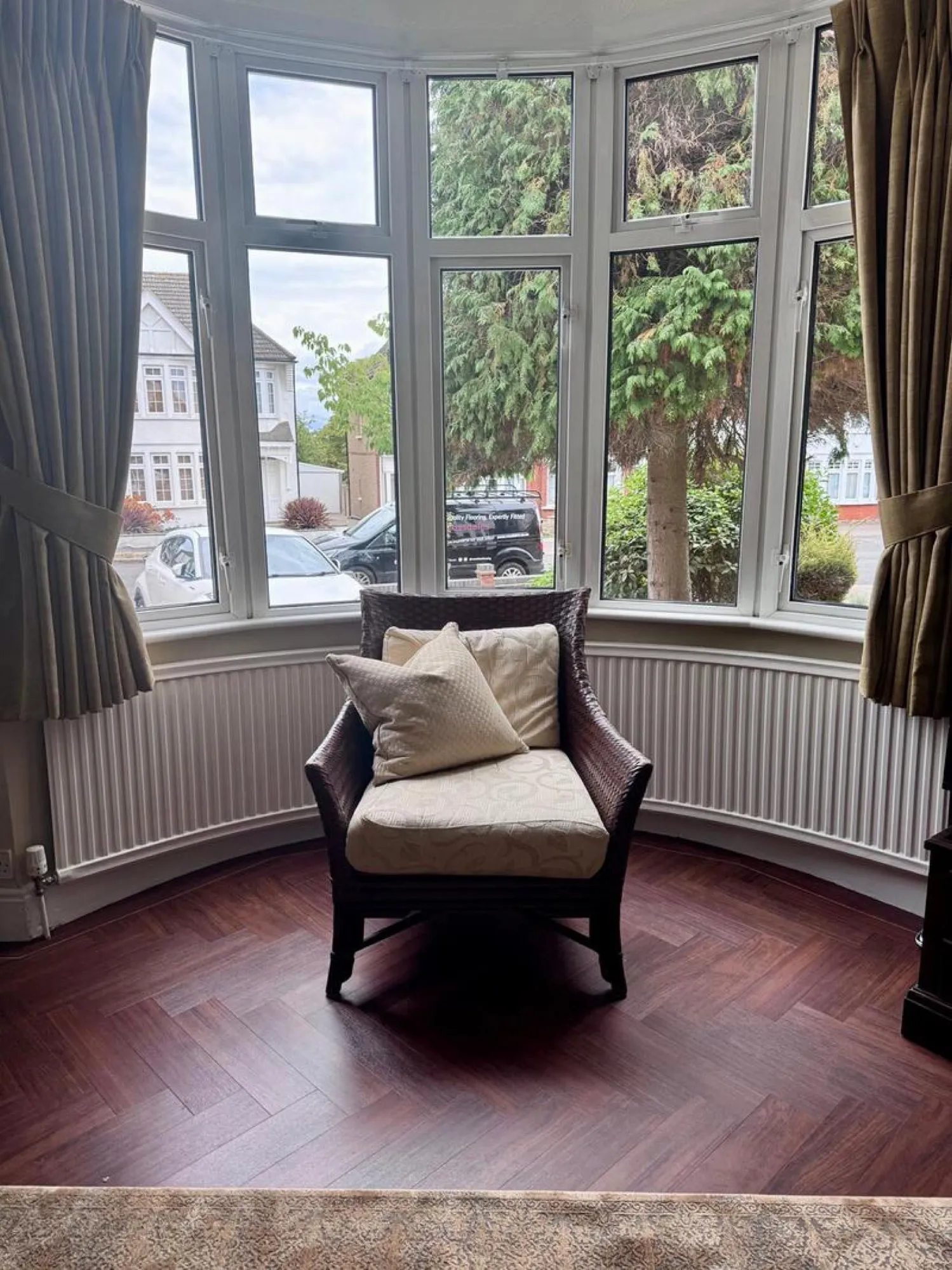
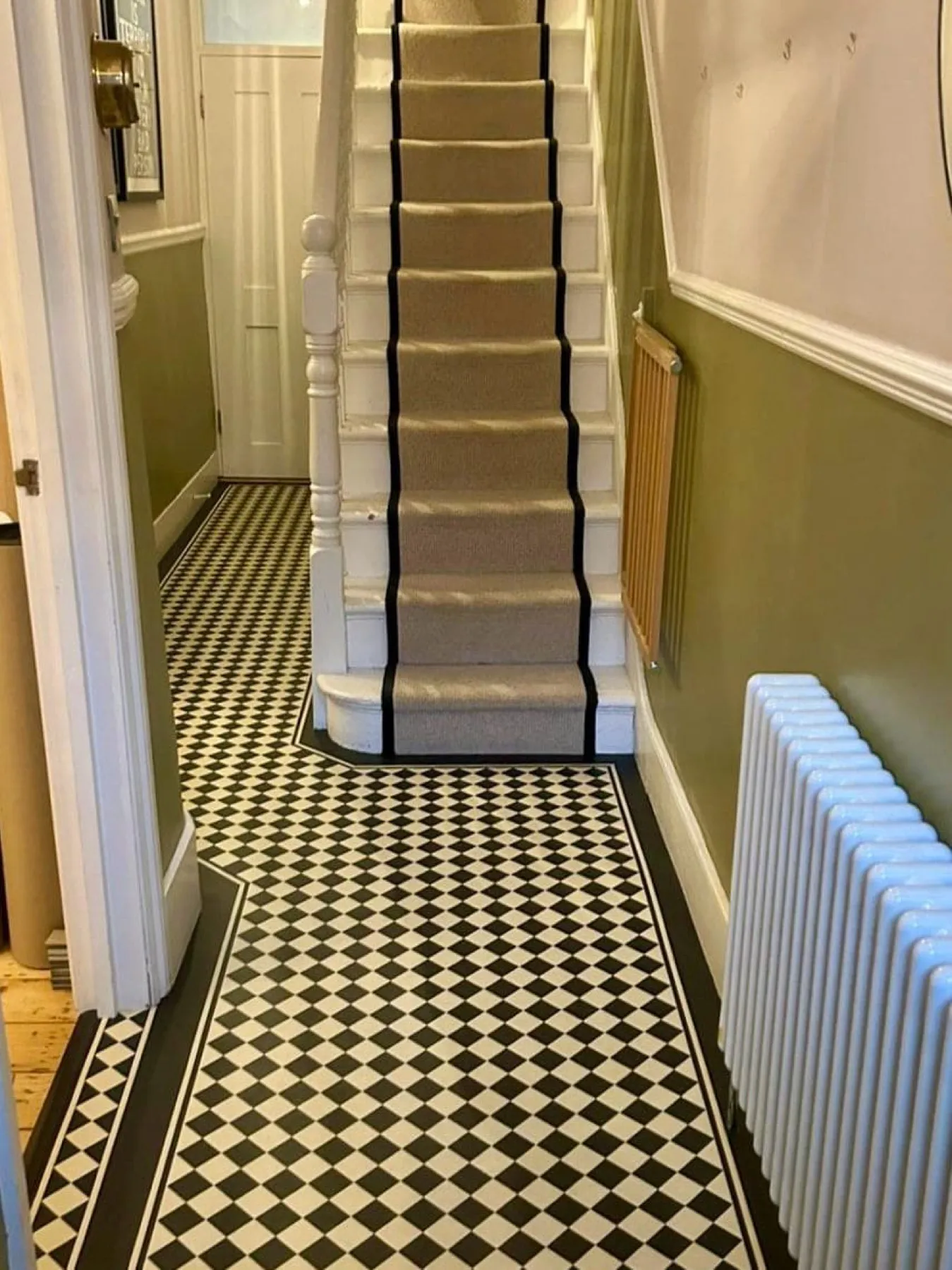
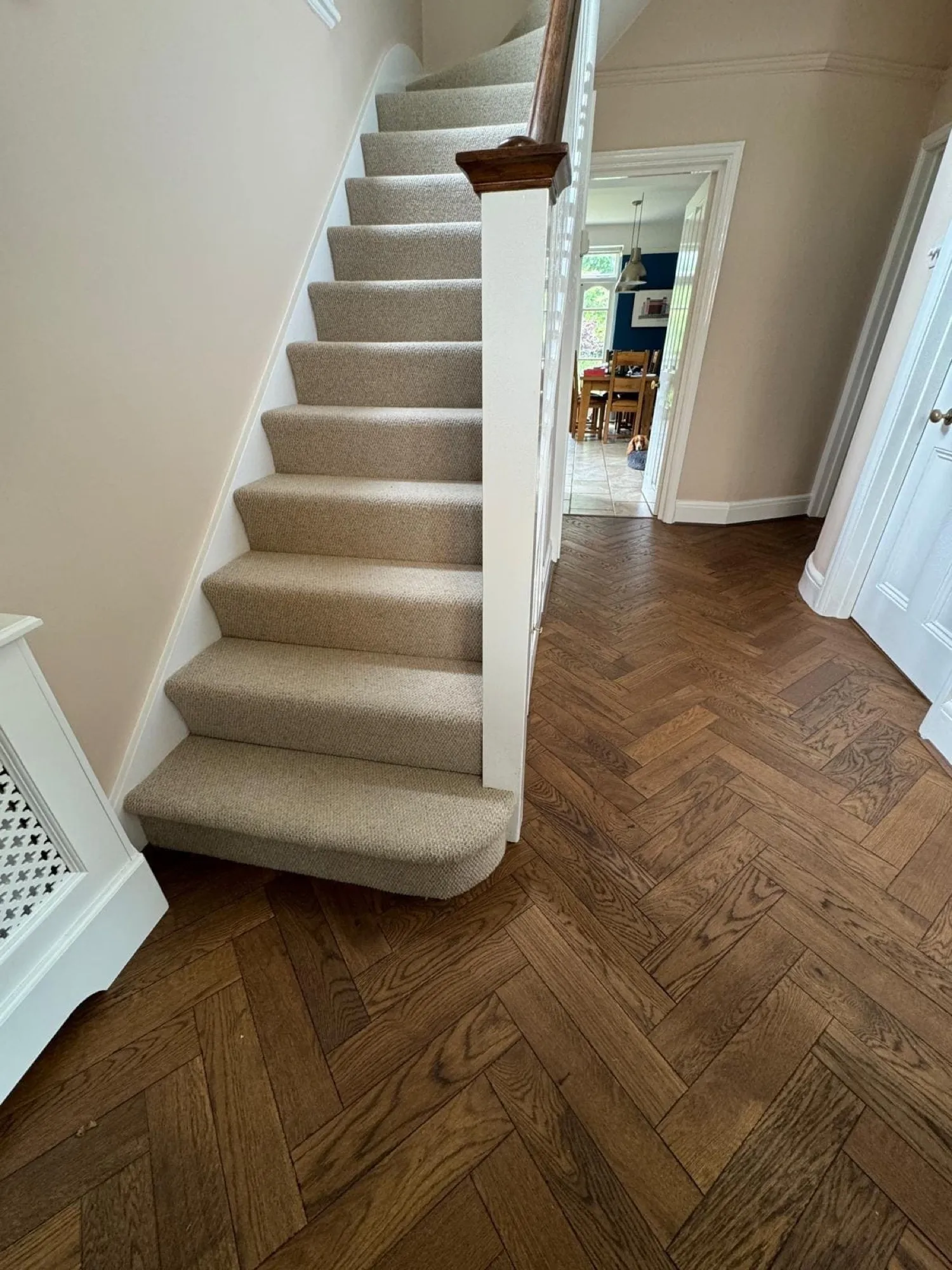
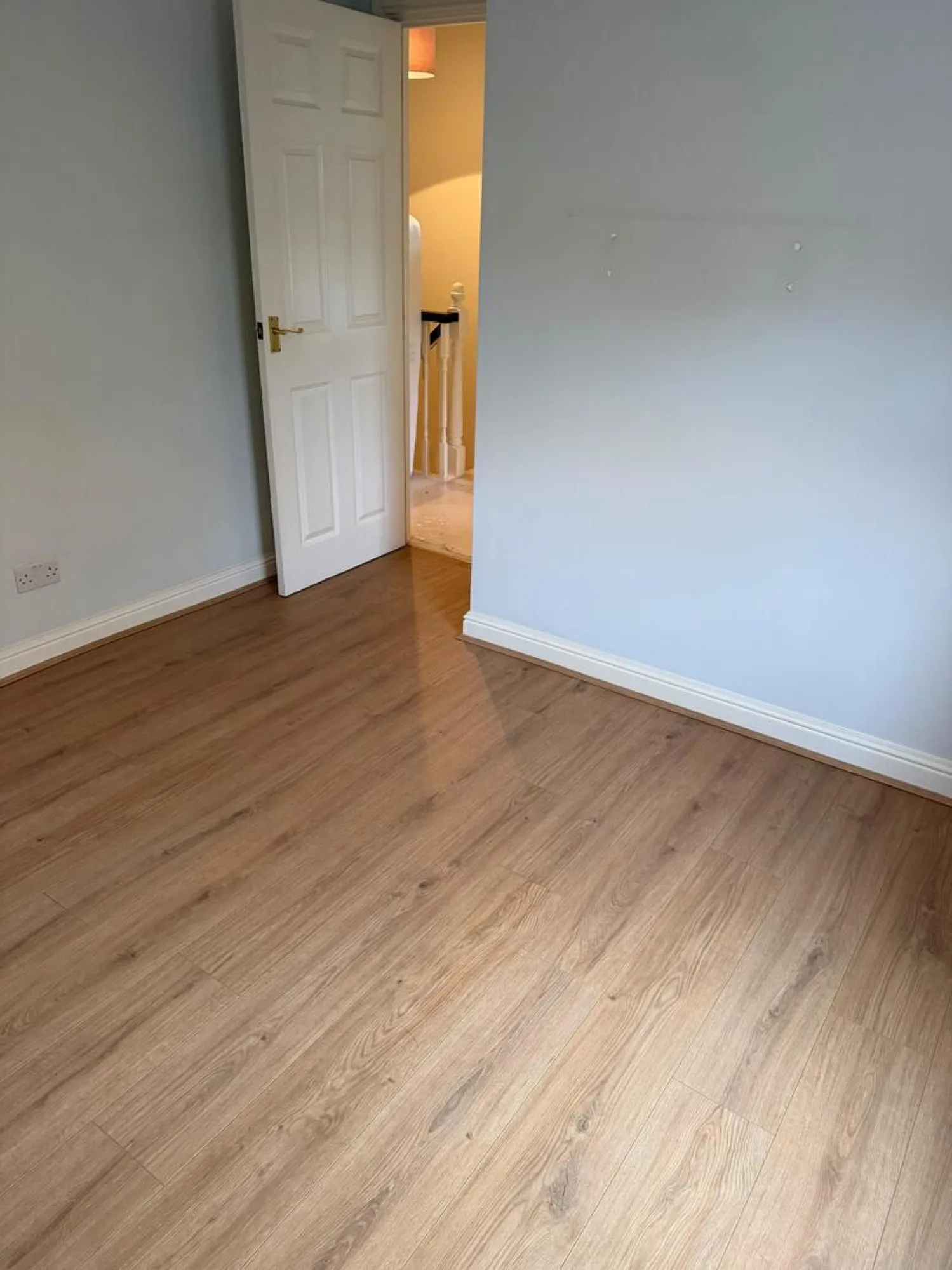
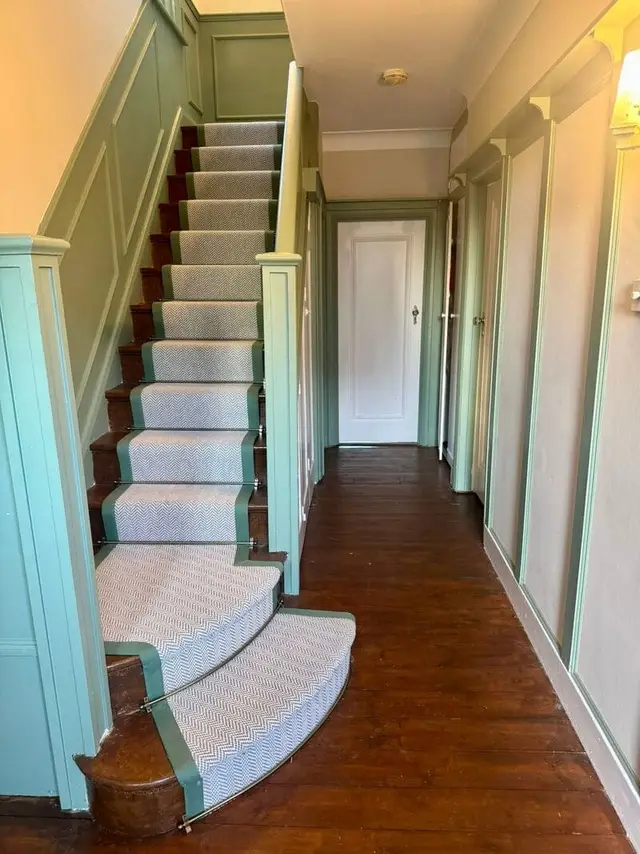
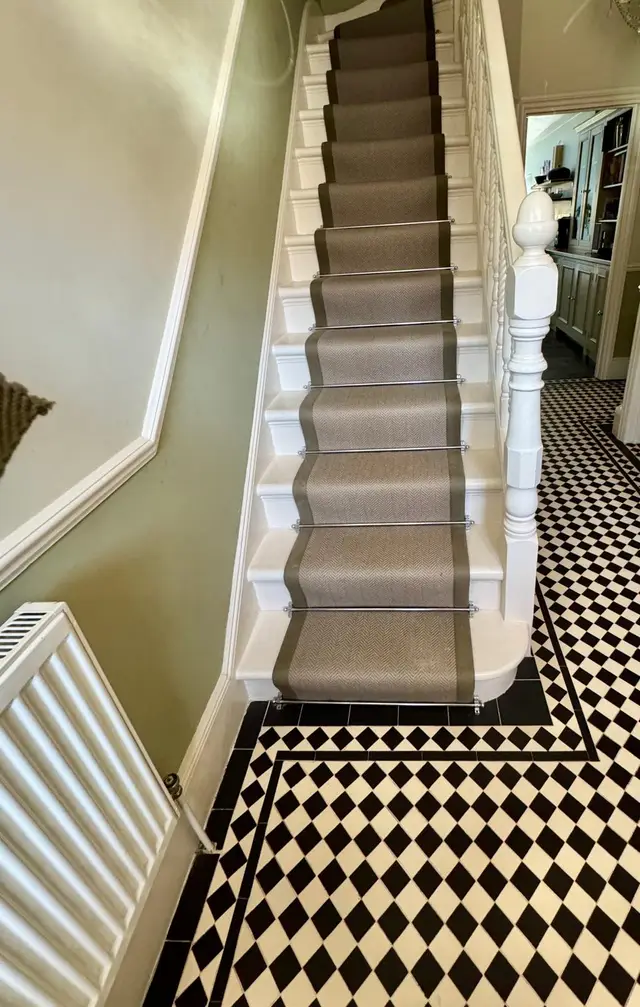
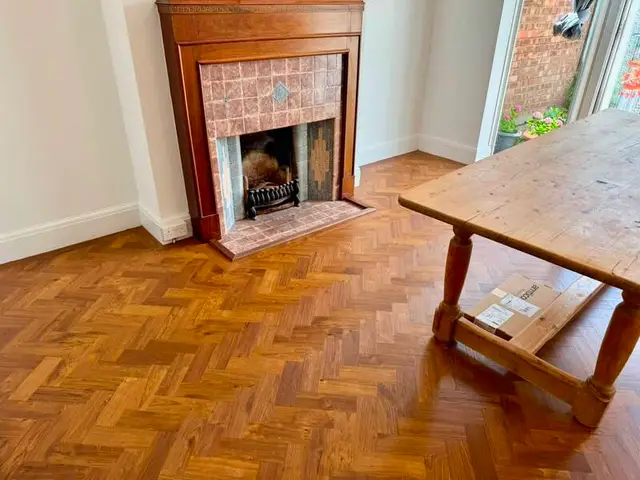
So the homes vary a lot. Older terraces off Ordnance Road and the Hertford Road tend to have narrow halls and straight stairs, which suit a hard-wearing carpet or a runner. In the twentieth century semis and council houses, a waterproof kitchen floor and a tough carpet in the lounge and on the stairs is the usual mix. Newer homes, Enfield Island Village included, often have concrete ground floors, where Amtico, Karndean or laminate go down on a smoothed base, and flats come with lease rules on sound.
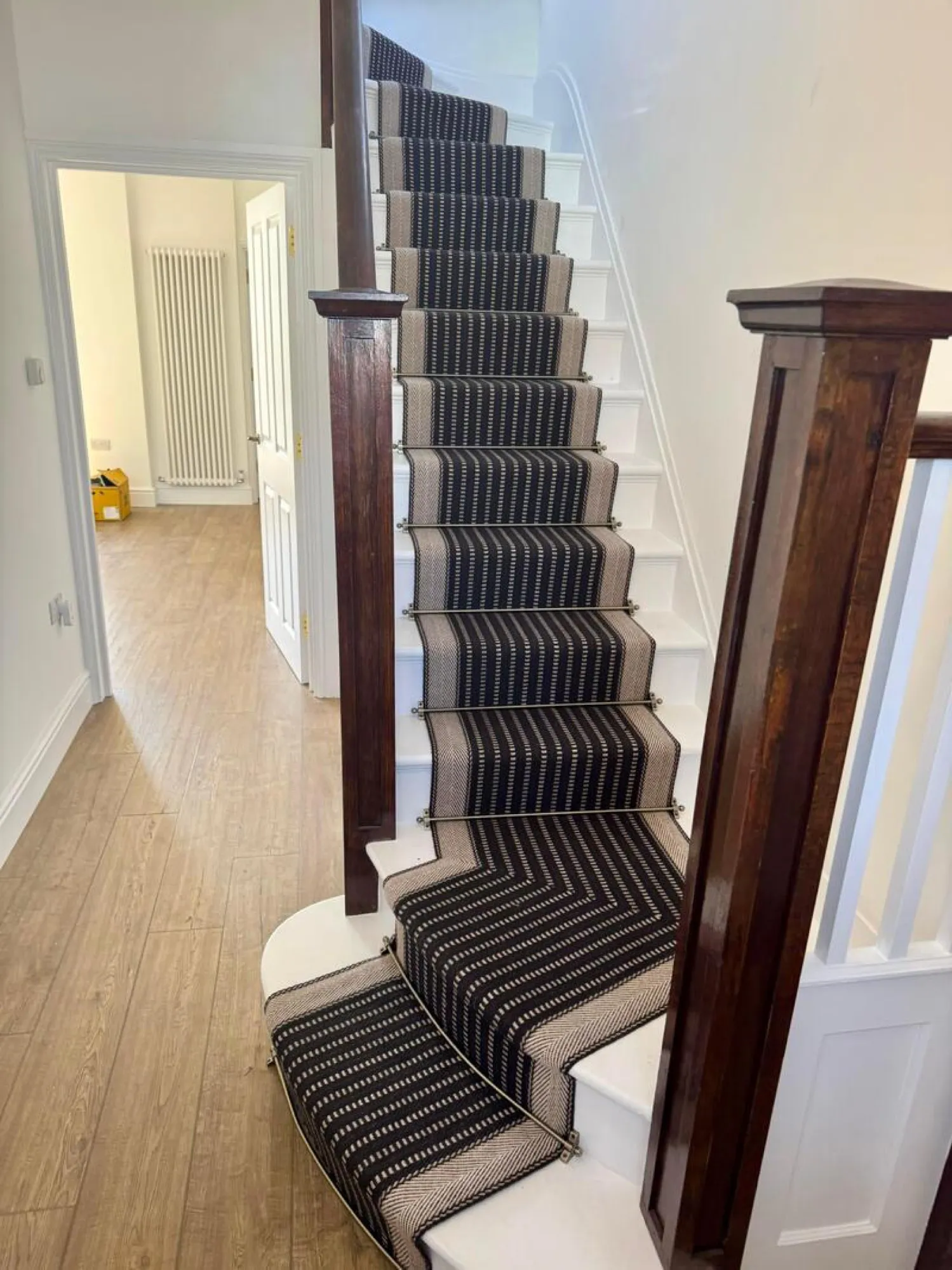
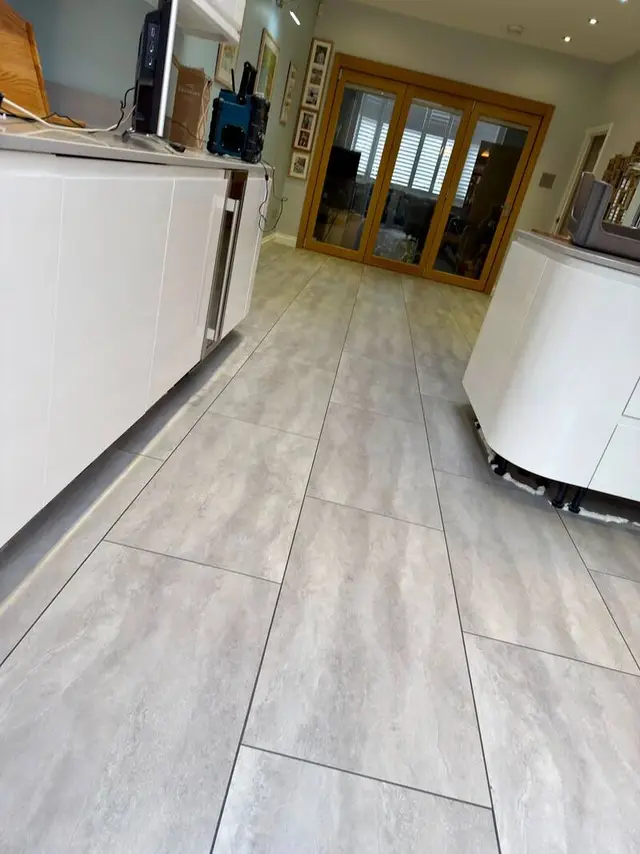
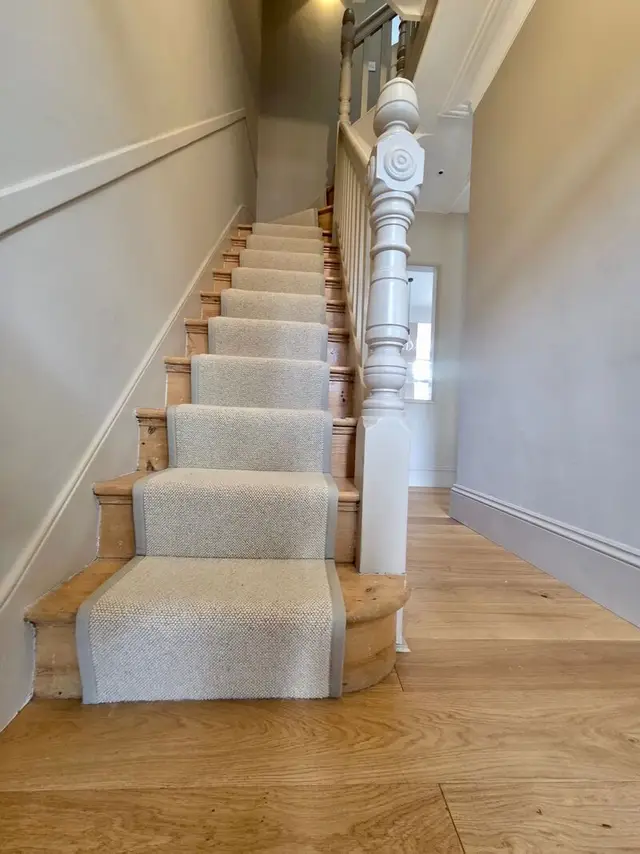
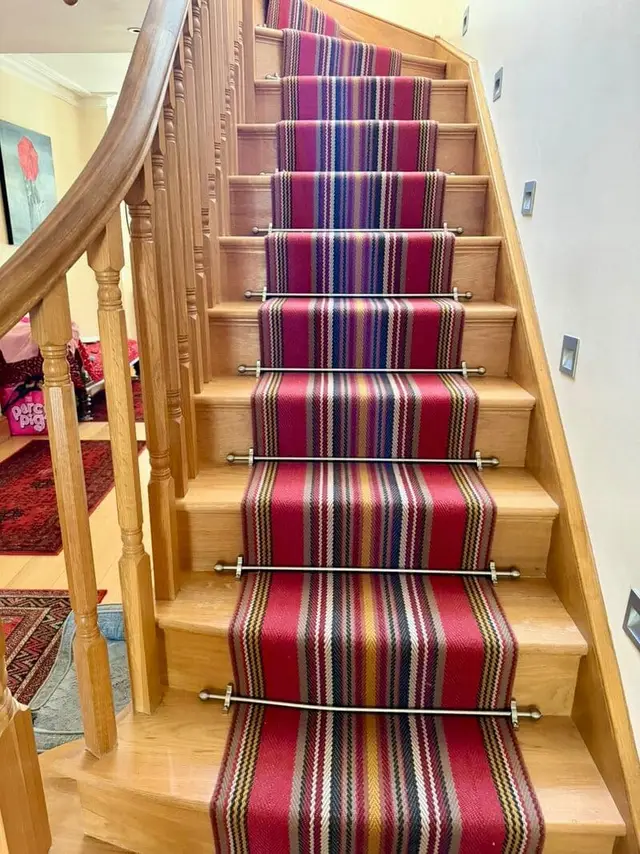
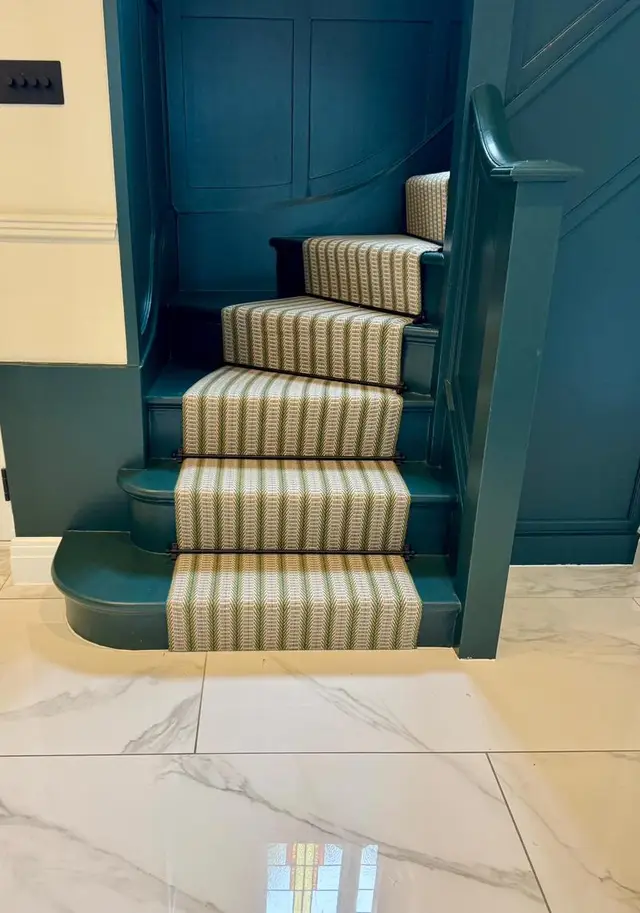
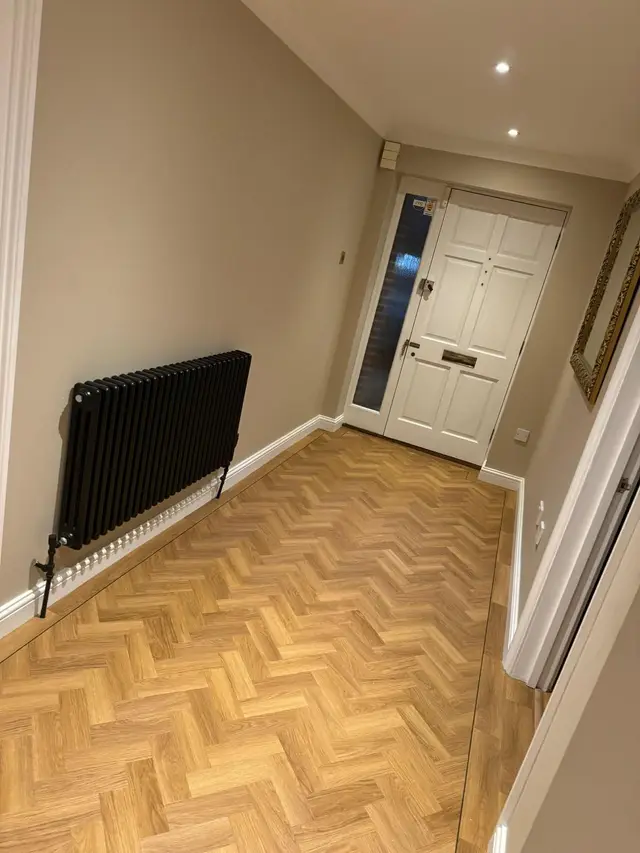
Albany Park, with Turkey Brook running through it, and Durants Park, laid out in 1903 on an old manor estate, are the local parks. To the east are the Lee Valley Park, the towpath of National Cycle Route 1 and Gunpowder Park. The nearest jobs in our portfolio are in Enfield EN1, where we laid Amtico Royal Oak in a hall and Gallery Concrete in a kitchen, with Cormar Pembroke carpet on the stairs (Ref 13304), and in Bush Hill Park, where we made a Cormar Fairisle runner (Ref 13698).